O
זוג או פרד
אוצר: ניב גפני
החיים והאמנות כסאגה מתמשכת של פרידות ושיתופי פעולה
זוגות אמנים תמיד חיים דואליות מרגשת אך גם מסוכנת. כל אחד מהם נושא בתוכו שני קצוות, שתי ישויות, היומיומית והיוצרת, גוף שנושא בתוכו קולות שונים. במפגש ביניהם לא רק שני אנשים נפגשים, אלא ריבוי של זהויות ותודעות. המפגש אינו תמיד ברור או צפוי. לא תמיד ניתן לדעת מי פוגש את מי.
נעה ארד יאירי ויובל יאירי, זוג כבר כמה עשורים. כל אחד\ת הוא בן\בת זוג, הורה, והוא גם אמן\ית, תודעה פתוחה, מתרחבת, חורגת מגבולות הזמן והמקום. אך כל אחד נפרד ביצירתו
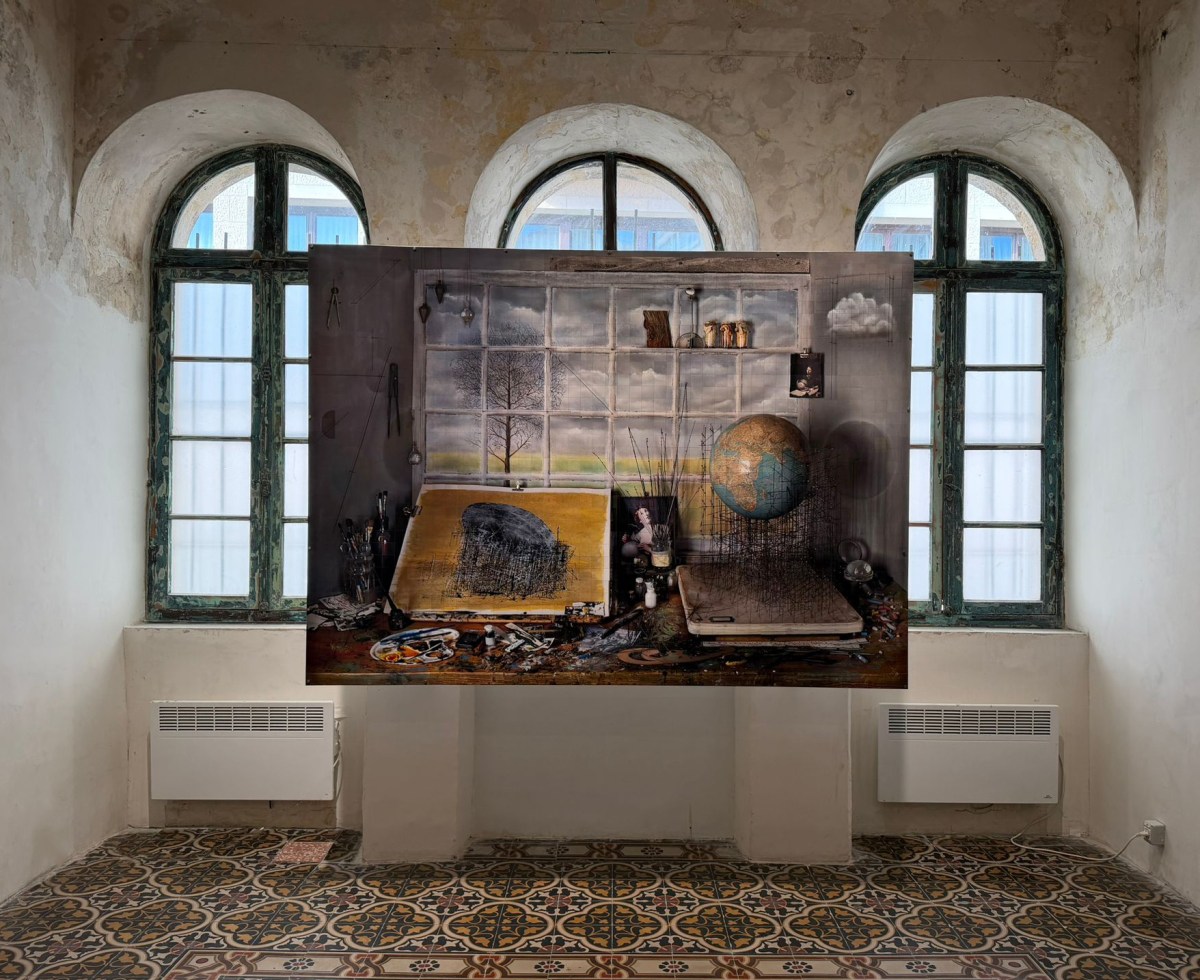
נעה עוסקת בפיסול, ציור ומיצב, עם דגש על עבודות תלויות מקום הנובעות ממחקר של נרטיבים היסטוריים, פוליטיים ותרבותיים הקשורים לאתר שבו הן מוצבות, לצד עיסוק מתמשך במרחב הנשי מתוך נקודת מבט פמיניסטית. יובל יוצר בתחומי הצילום, הווידאו והרישום, ועבודותיו עוסקות במקום ובמרחב מתוך מבט ביוגרפי, היסטורי ופוליטי. לכל אחד אזור משלו בסטודיו, קו גבול בין היצירות השונות וזמן עבודה שונה, נעה עובדת במהלך היום ויובל בערבים. שני מסלולים מקבילים, קרובים, נעים זה לצד זה מבלי להתמזג
מתוך המרחב המוכר והבטוח של החיים המשותפים הם החליטו להכניס את הקשר האישי אל תוך הקשר האמנותי. לראשונה הם בחרו לעבוד יחדיו לקראת תערוכה זו, ולא רק להציג יחד עבודות, אלא ממש ליצור יחד, להתערבב אחד לשניה בתוך העבודות, לערבב את המדיומים והטכניקות, ללמוד אחד מהשניה, לוותר ולהקשיב
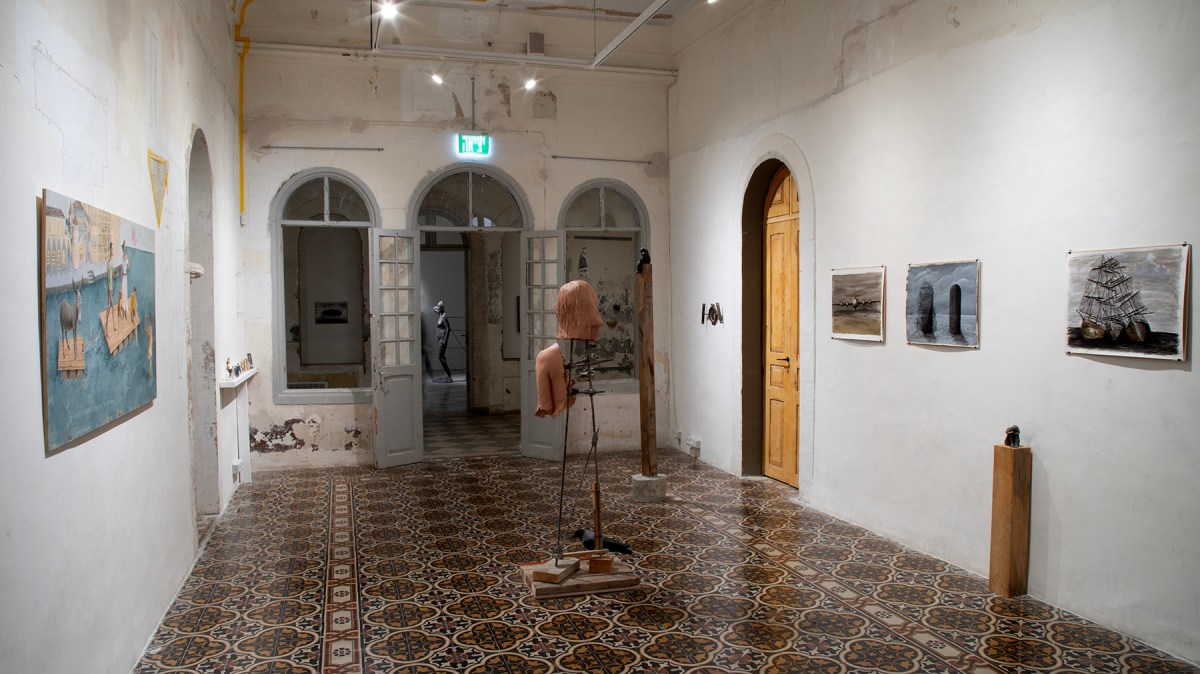
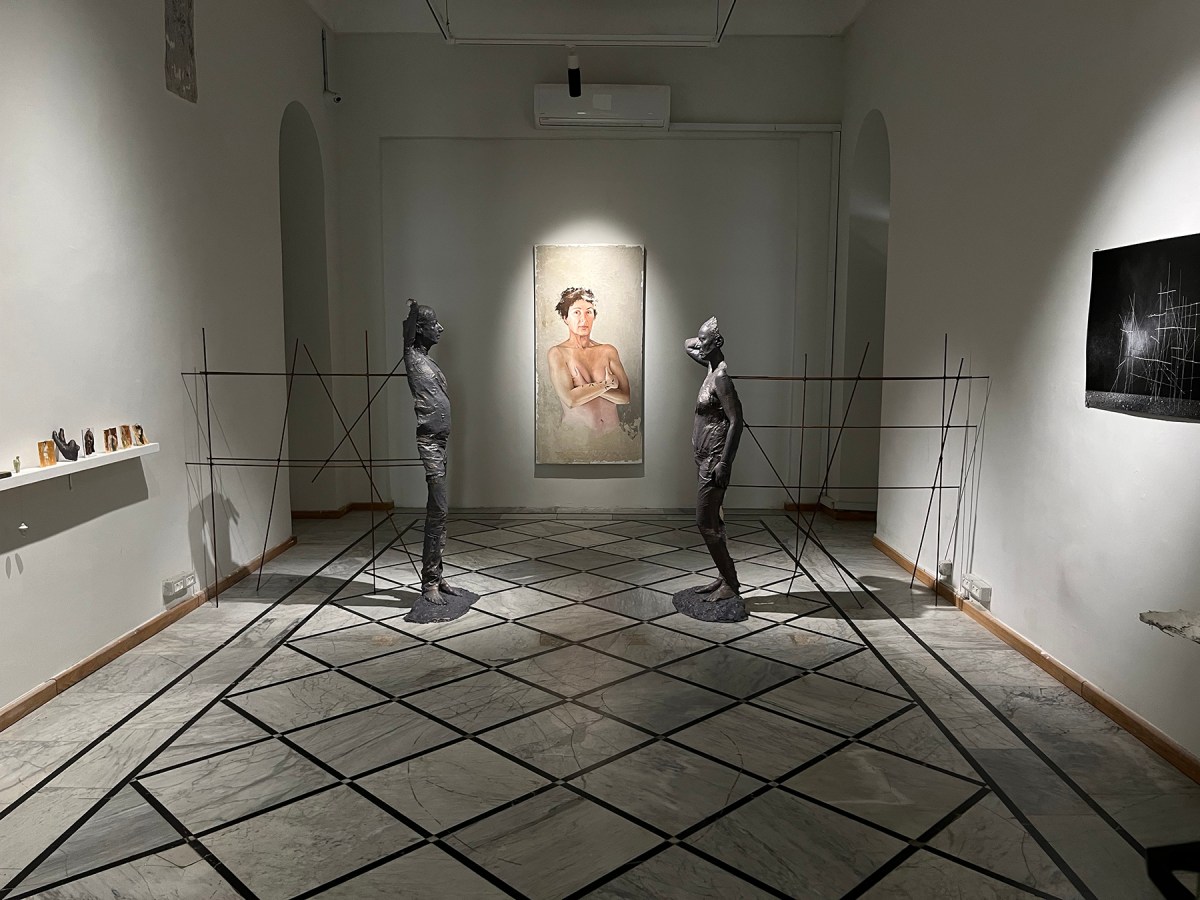
מתוך כך נוצר גוף עבודות חדש שבו יחסים אישיים וחברתיים, משפחה, היסטוריה, אמנות, פוליטיקה ויומיום נשזרים אחד בשני. לצד העבודות המשותפות מופיעות גם עבודות אינדיבידואליות חלקן חדשות וחלקן עבודות קודמות
יחד הן יוצרות מרחב מרובד מחוות אמנותיות ומשמעויות המכיל אהבה, יאוש, בלבול וגם קצת תקווה
נעה ארד יאירי ויובל יאירי הם גם חלק מגרעין האמנים שבנה את המפעל
העשייה שלהם נטועה בהיסטוריה של המקום הזה, שנבנה מתוך שותפות, מתוך אמונה בכוח של פעולה משותפת, ומתוך רצון להרחיב מרחב שבו יצירה וחיים נפגשים
ثنائي أم فرد
أمينة المعرض: نيف جافني
الحياة والفن كرواية متواصلة من الفراقات والشراكات
أزواج الفنانين يعيشون دائمًا حالة ازدواجية مثيرة، لكنها أيضًا محفوفة بالمخاطر. كل واحد منهم يحمل في داخله طرفين، كيانين: اليومي والخلاق، جسد يحتوي أصواتًا متعددة. في لقائهم لا يلتقي شخصان فقط، بل تتقاطع هويات وزوايا من الوعي المتعدد. هذا اللقاء ليس دائمًا واضحًا أو متوقعًا، وليس من السهل دائمًا معرفة من يلتقي بمن.
نوعا أراد يائيري ويوفال يائيري زوجان منذ عدة عقود. كل واحد/ة منهما شريك/ة حياة، ووالد/ة، وهو/هي أيضًا فنان/ة، وعي مفتوح ومتسع، يتجاوز حدود الزمان والمكان. ومع ذلك، يبقى كل واحد منهما مستقلًا في إبداعه.
نوعا تعمل في النحت، الرسم، وأعمال التركيب، مع تركيز على أعمال مرتبطة بالمكان تنبع من بحث في السرديات التاريخية، السياسية والثقافية المرتبطة بالموقع الذي تعرض فيه الأعمال، إلى جانب انشغال مستمر بالفضاء النسوي من منظور نسوي.
يوفال يعمل في مجالات التصوير الفوتوغرافي، الفيديو والرسم، وتعالج أعماله المكان والفضاء من منظور سيري ذاتي، تاريخي وسياسي.
لكل واحد منهما منطقته الخاصة في الاستوديو، خط فاصل بين الأعمال المختلفة، ووقت عمل مختلف: نوعا تعمل خلال النهار، ويوفال في المساء. مساران متوازيان، قريبان، يسيران جنبًا إلى جنب دون أن يندمجا.
ومن داخل الفضاء المألوف والآمن للحياة المشتركة، قررا إدخال العلاقة الشخصية إلى داخل العلاقة الفنية. وللمرة الأولى اختارا العمل معًا تحضيرًا لهذا المعرض، لا لمجرد العرض المشترك، بل للخلق المشترك فعلًا: التداخل أحدهما في أعمال الآخر، مزج الوسائط والتقنيات، التعلم إحداهما من الآخر، التنازل والإصغاء.
ومن هنا نشأ جسد أعمال جديد، تتشابك فيه العلاقات الشخصية والاجتماعية، العائلة، التاريخ، الفن، السياسة واليومي. إلى جانب الأعمال المشتركة، تظهر أيضًا أعمال فردية، بعضها جديد وبعضها سابق.
معًا يخلقان فضاءً متعدد الطبقات من الإيماءات الفنية والدلالات، يحتوي حبًا، يأسًا، ارتباكًا، وقليلًا من الأمل أيضًا.
نوعا أراد يائيري ويوفال يائيري هما أيضًا جزء من نواة الفنانين الذين أسسوا هذا المشروع.
ممارستهما متجذرة في تاريخ هذا المكان، الذي بني على الشراكة، على الإيمان بقوة الفعل المشترك، وعلى الرغبة في توسيع فضاء يلتقي فيه الإبداع بالحياة.
Odd or Even
Curator: Niv Gafni
Life and art as an on-going saga of separations and collaborations
Artists couples live a thrilling yet dangerous duality. Each of them carries within them two poles, two personas: the everyday self, and the artist. A body that contains several voices. Their relationship is not merely a union between two people, but a multiplicity of identities and consciousnesses. The meeting is not always clear or predictable; It is not always possible to know who is meeting whom.
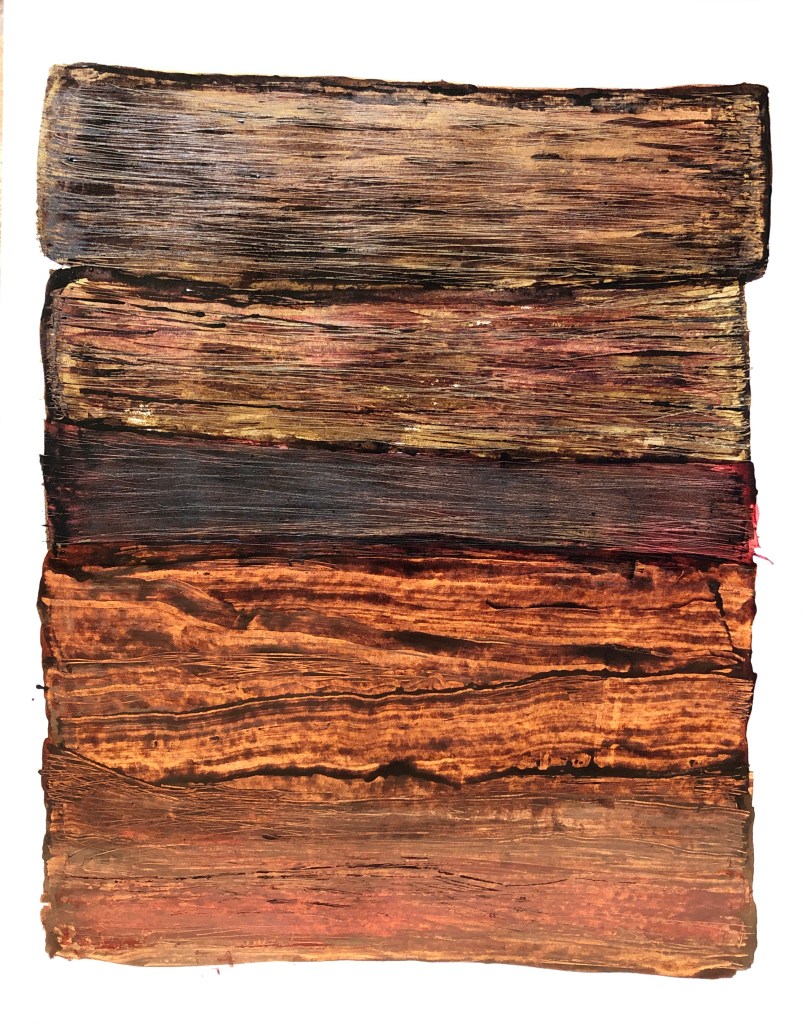
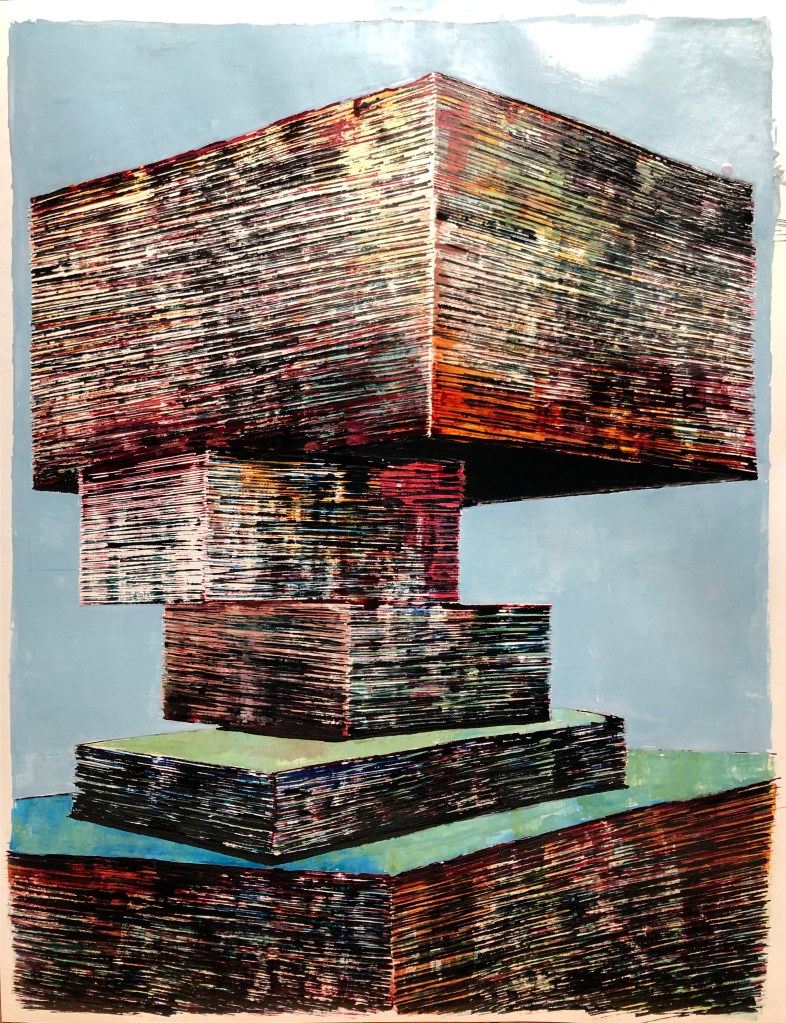
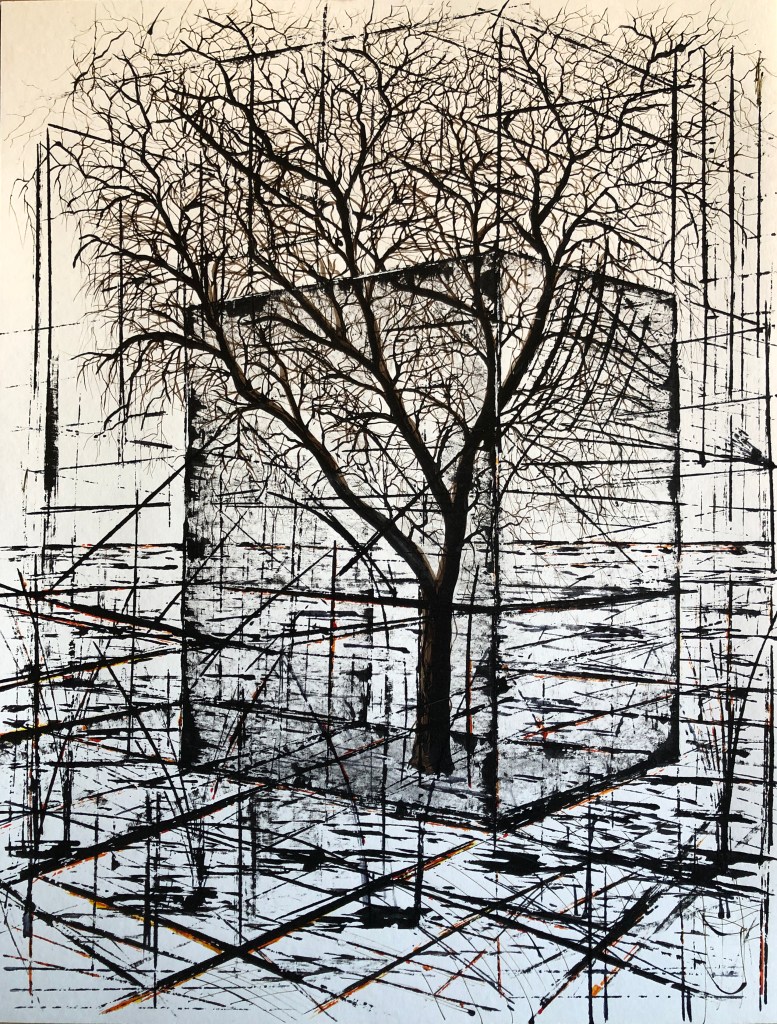
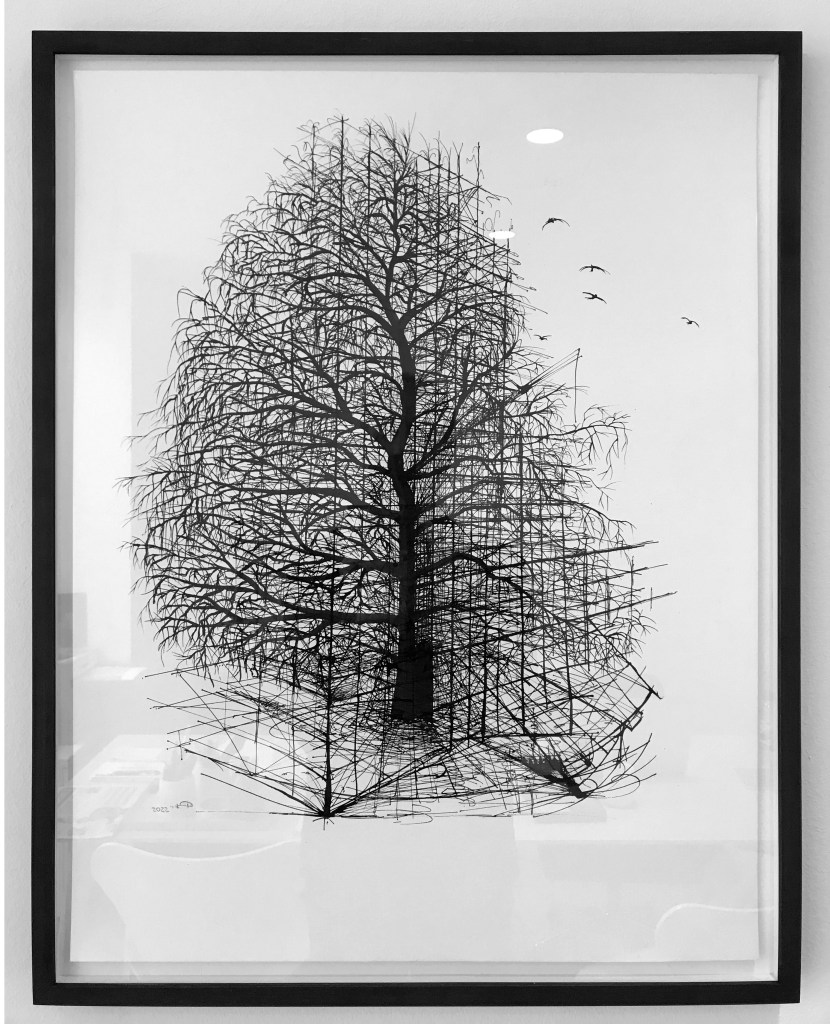
Noa Arad-Yairi and Yuval Yairi have been a couple for several decades. Each of them is a partner, a parent, and is also an artist, an open, expanding consciousness that exceeds the boundaries of time and place. Yet each remains distinct in their artistic practice.
Noa works in sculpture, painting and installation, with a particular interest in site-specific works that emerge from research into the historical, political, and cultural narratives of the locations in which she presents. Alongside her ongoing fascination with the female space and a feminist perspective.
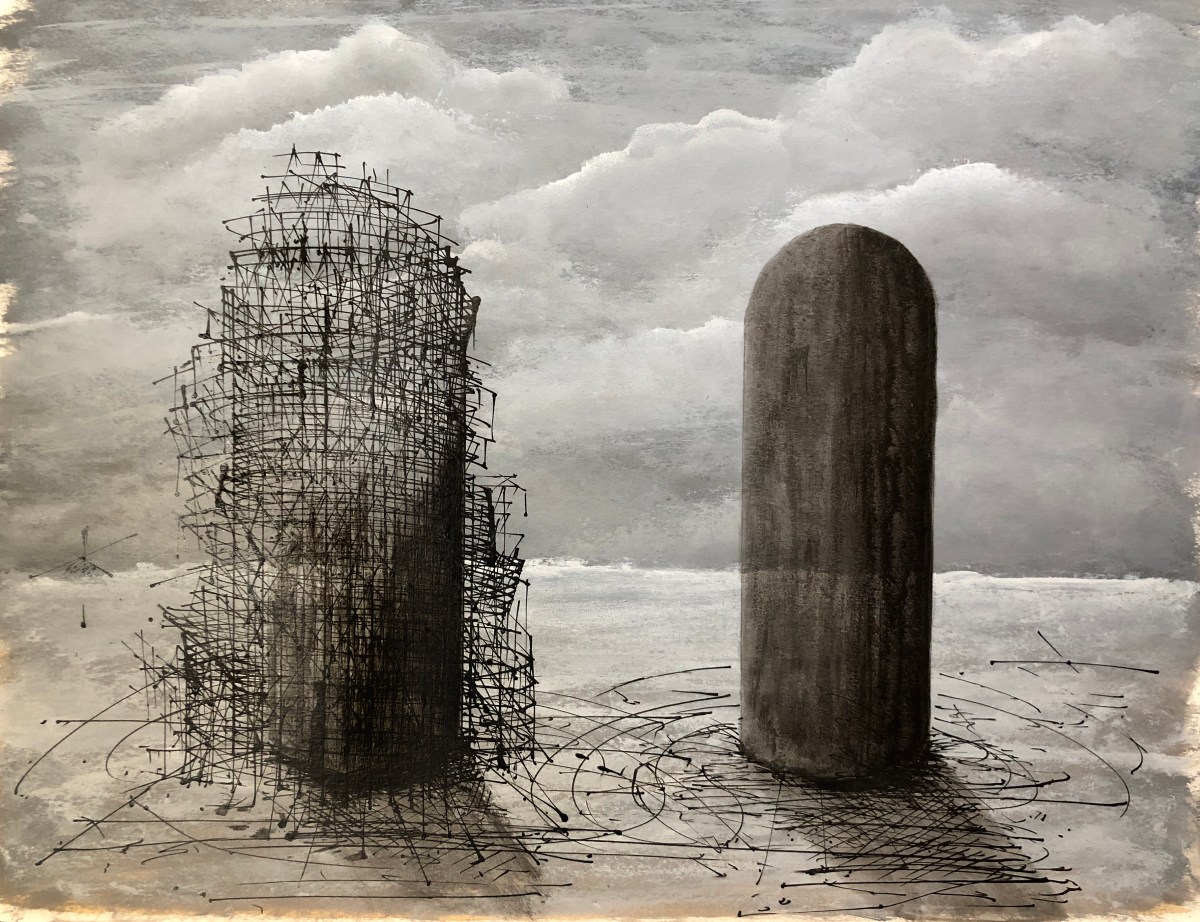
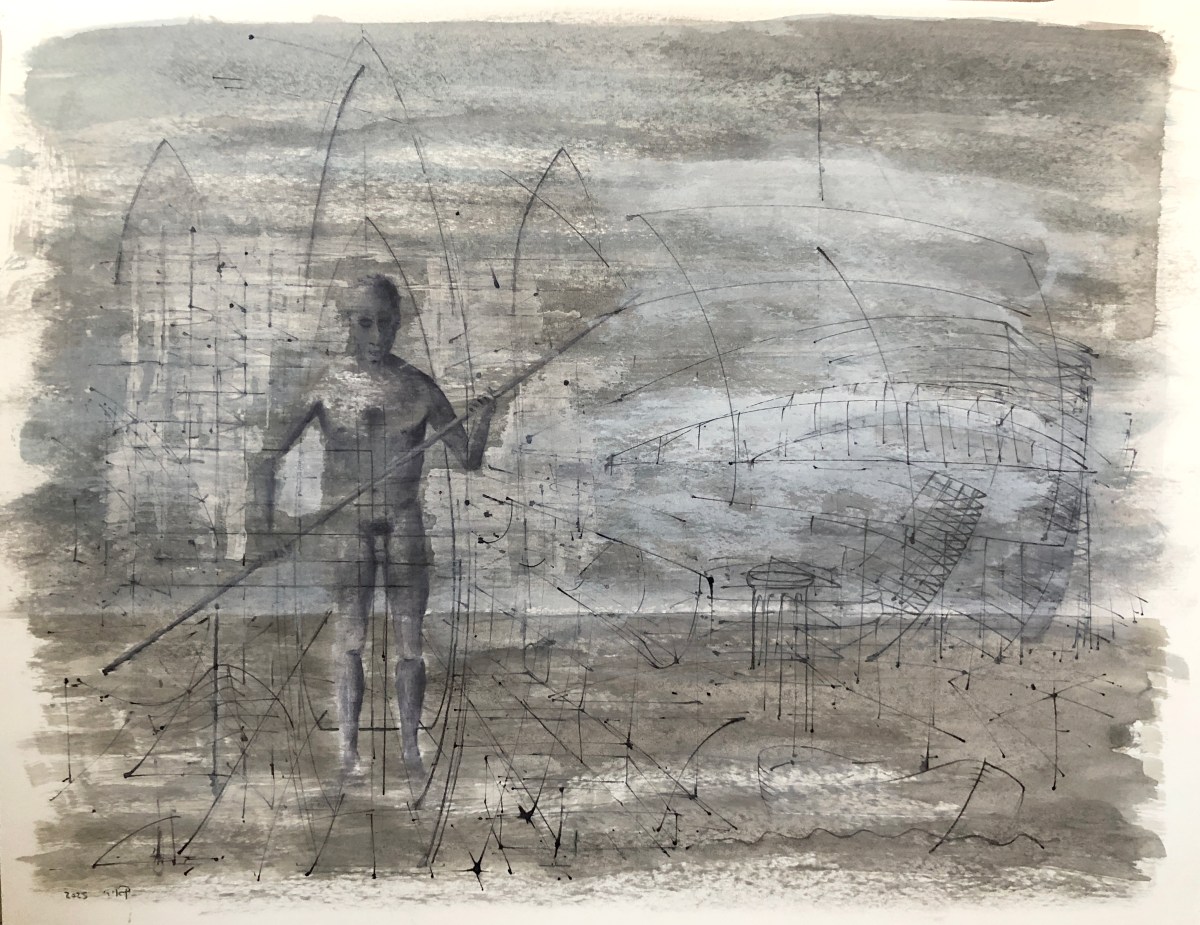
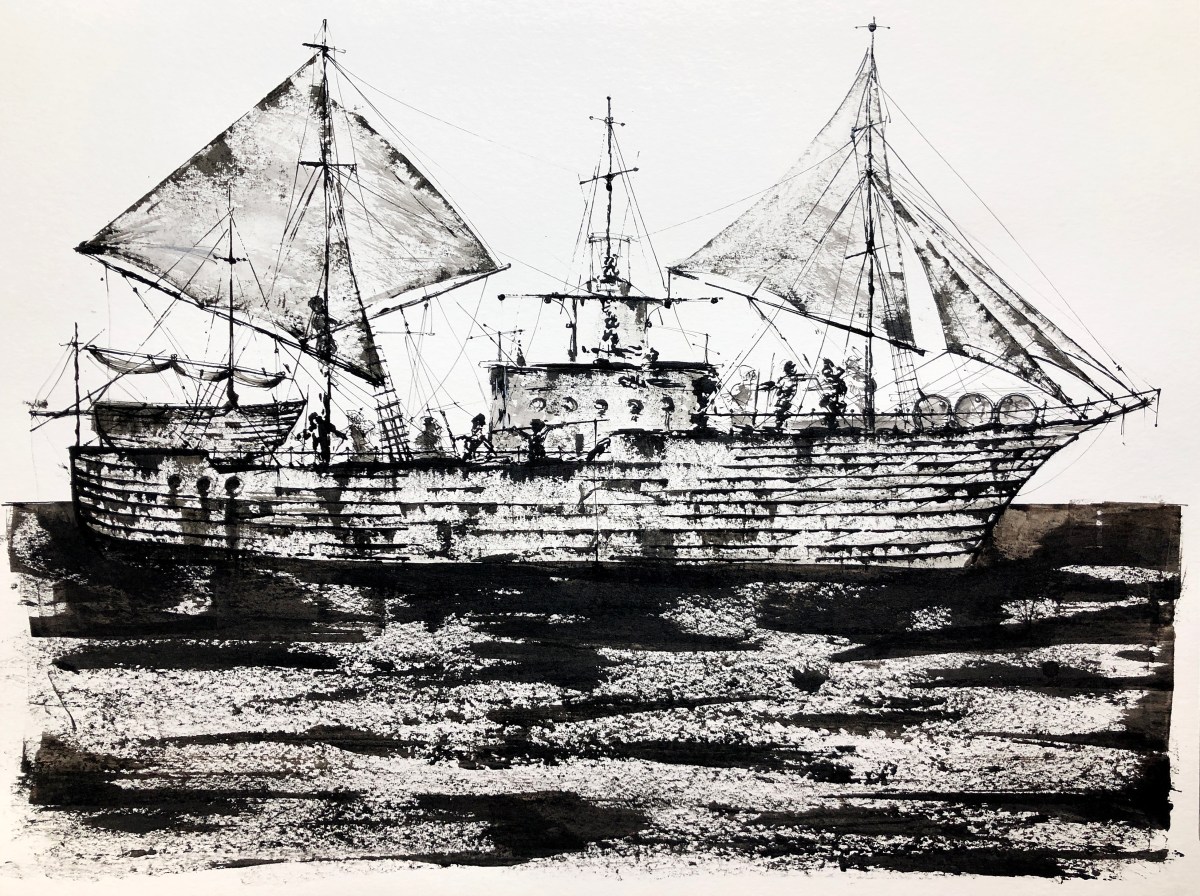
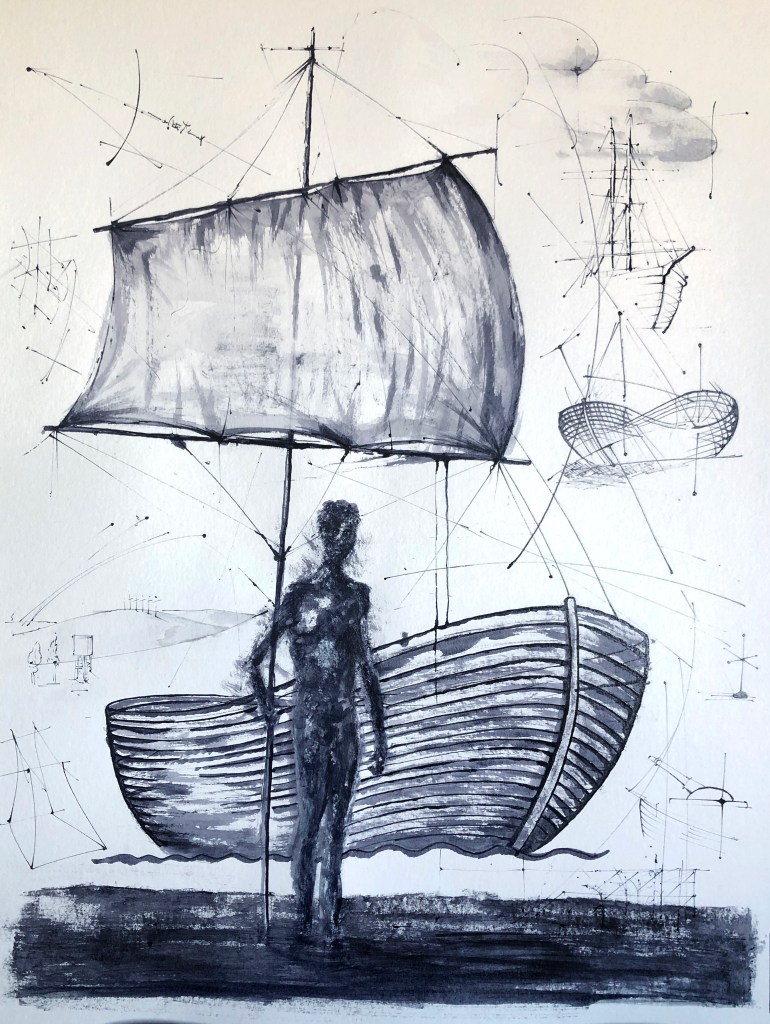
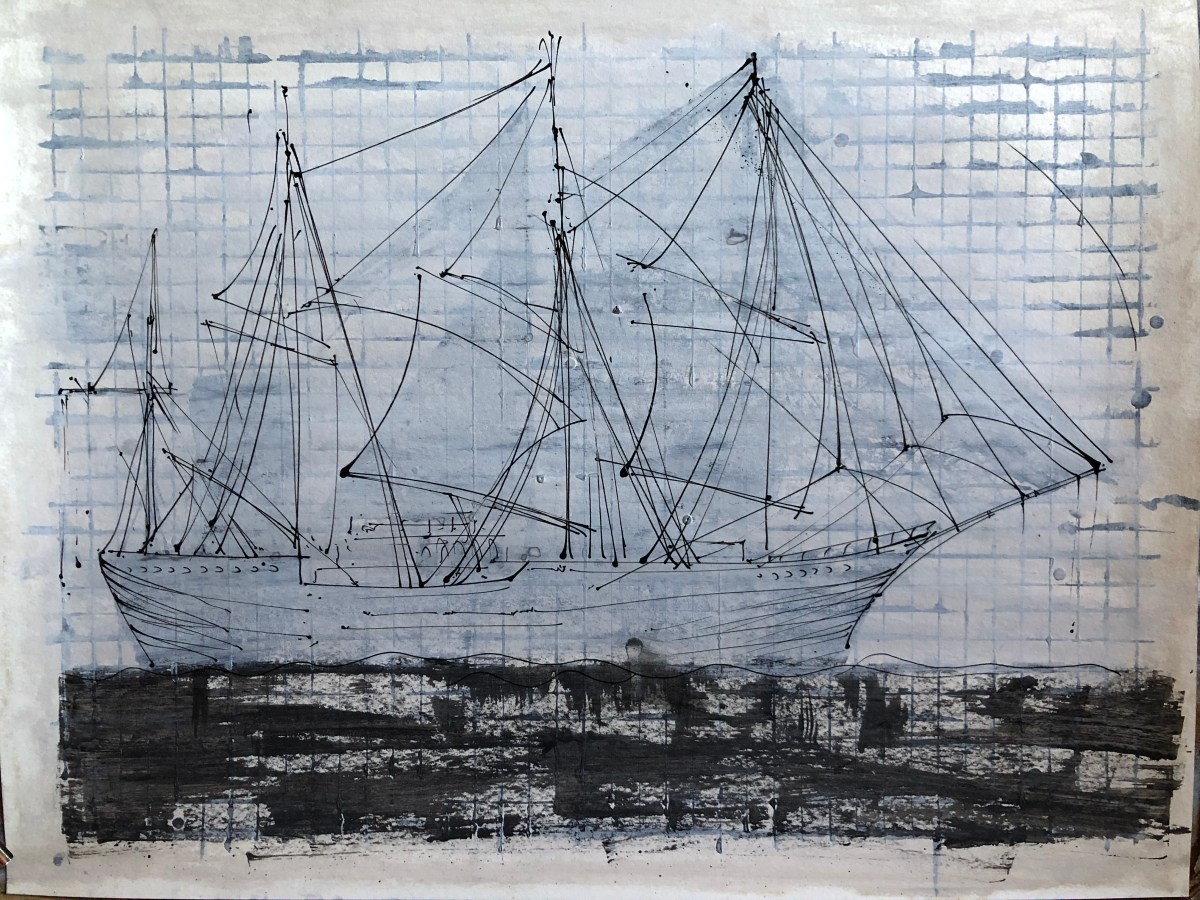
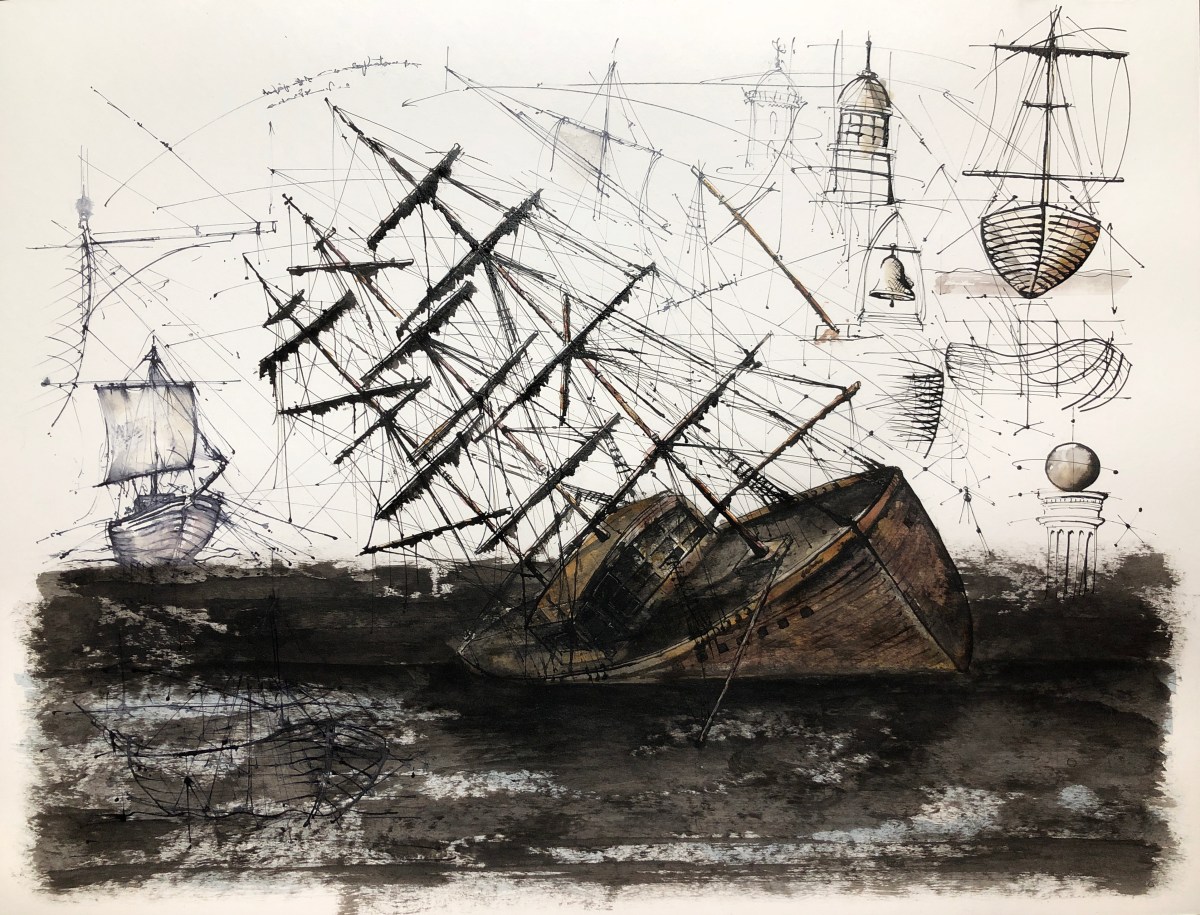
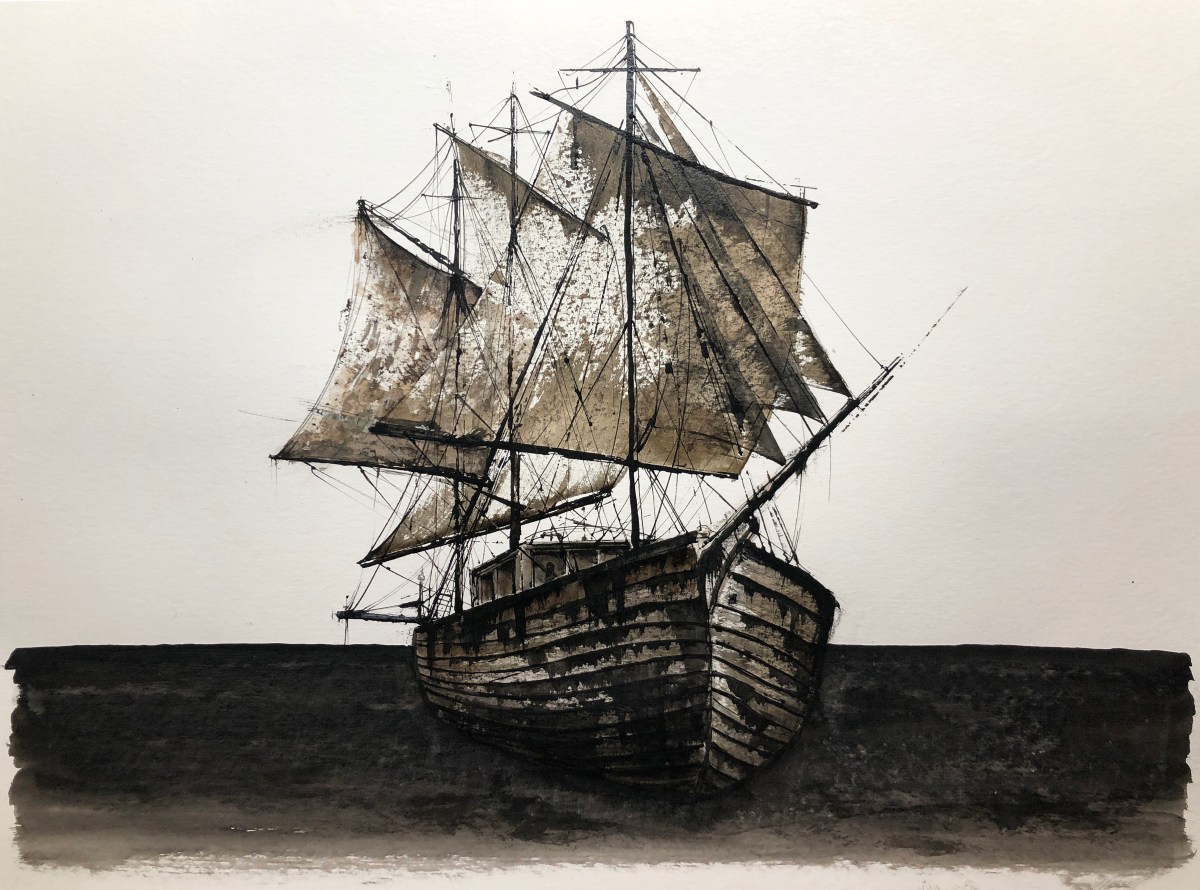
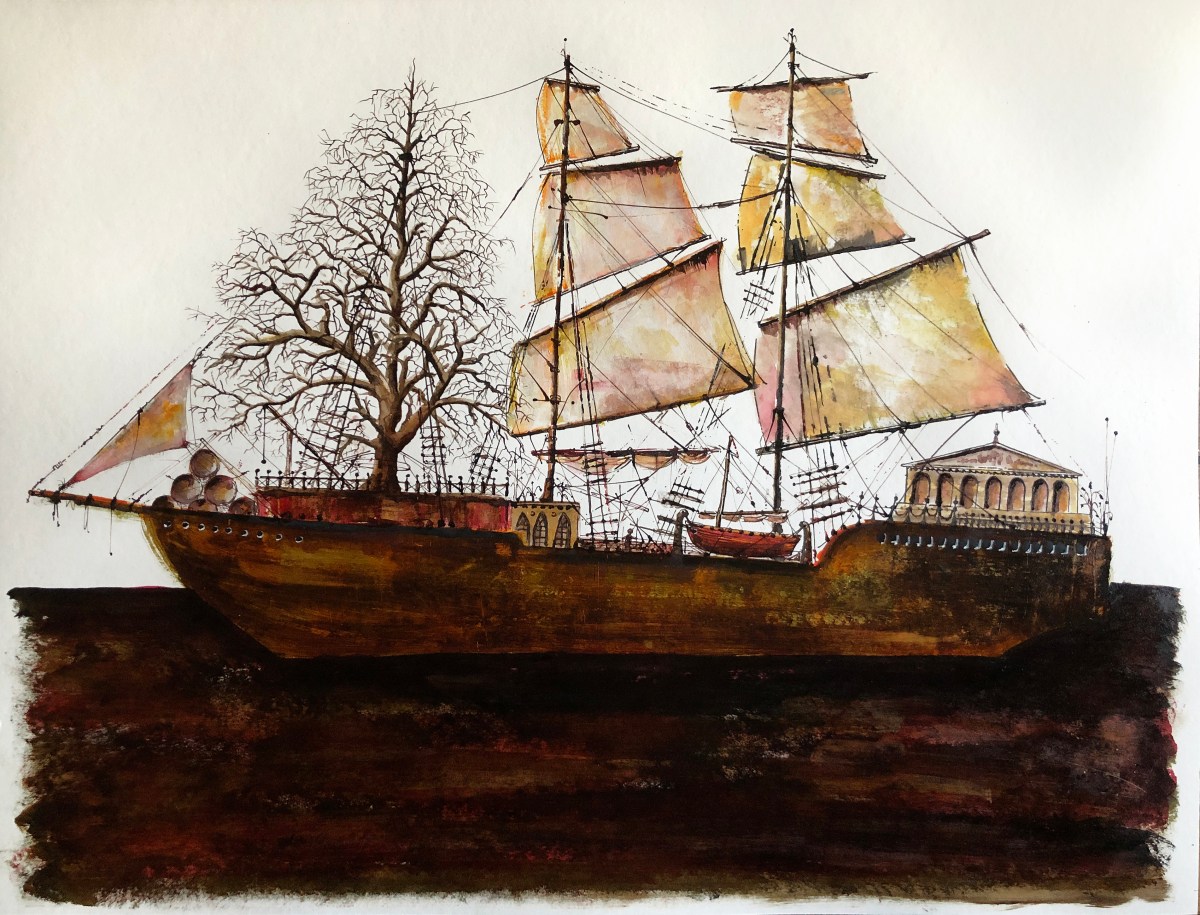
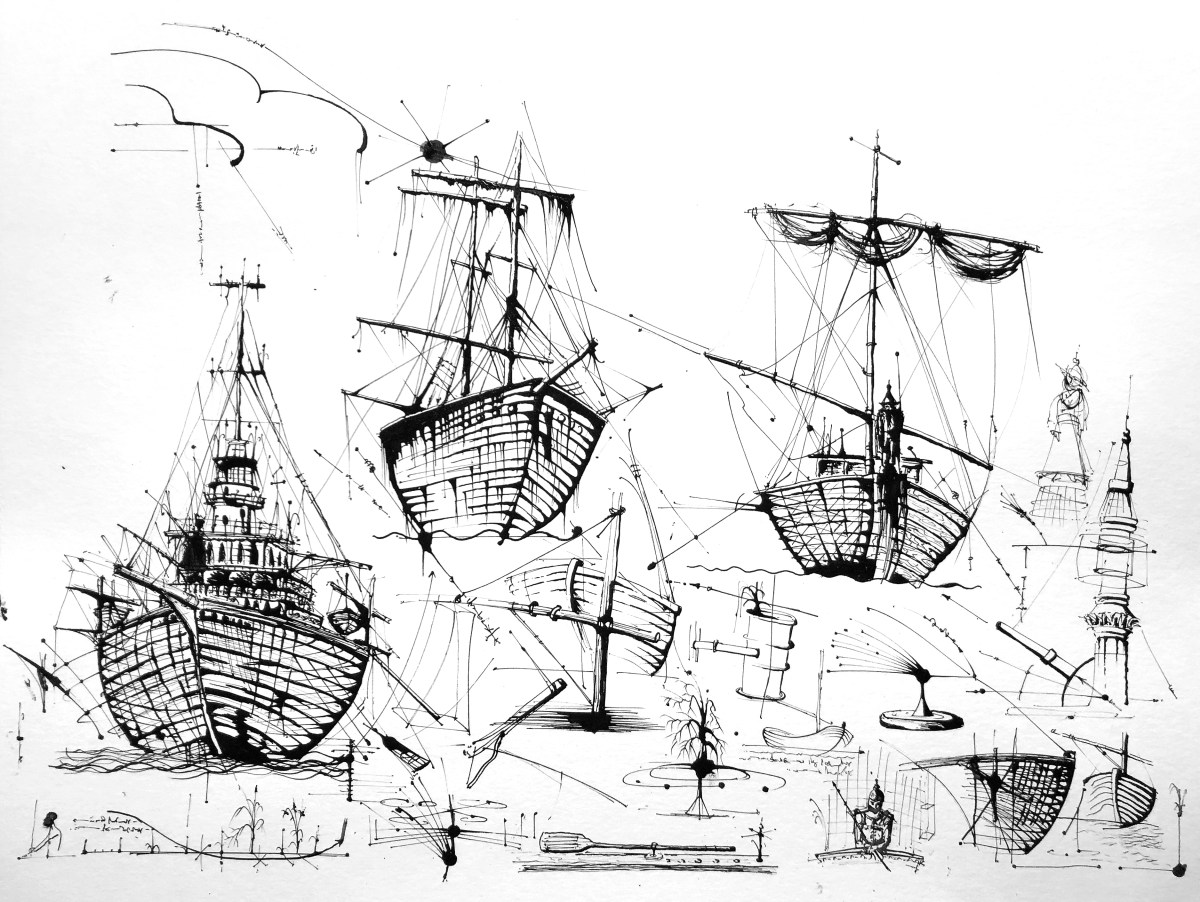
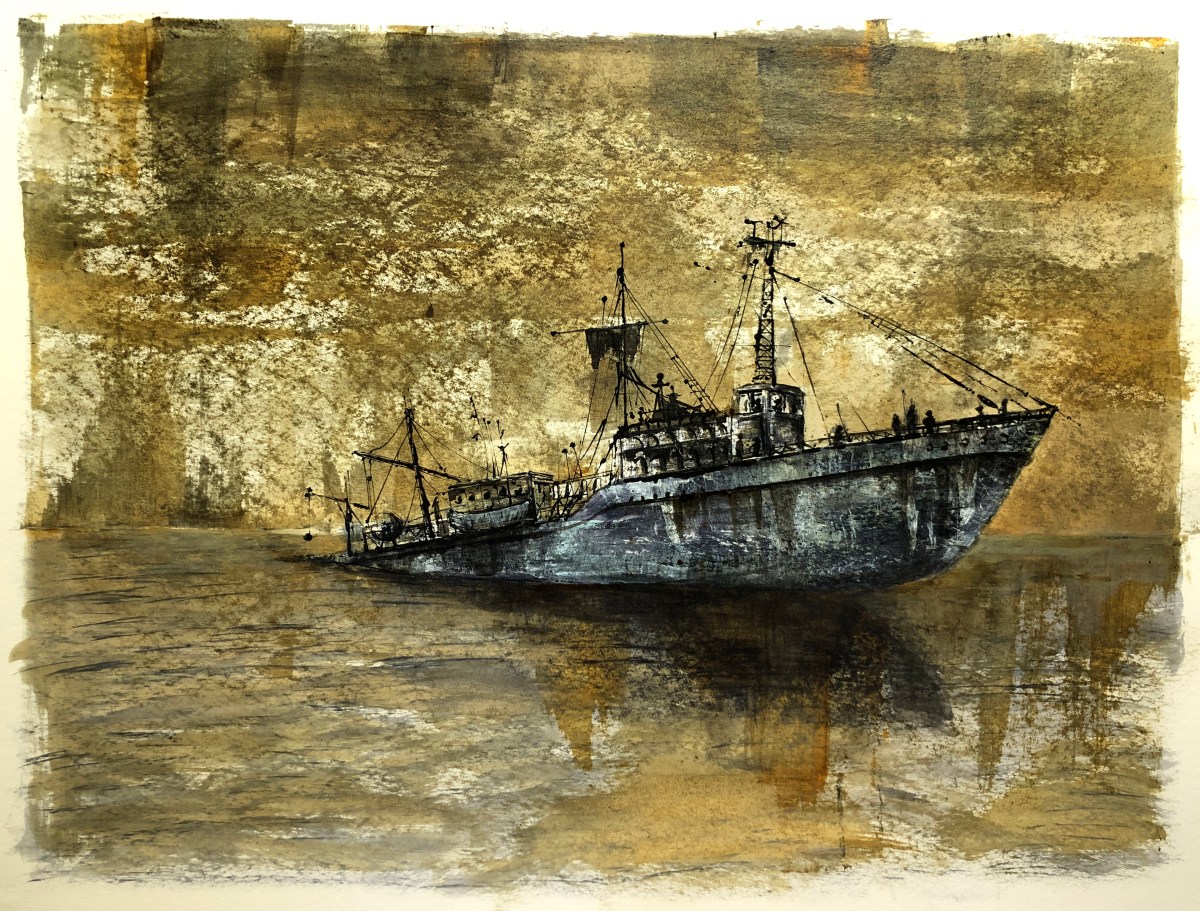
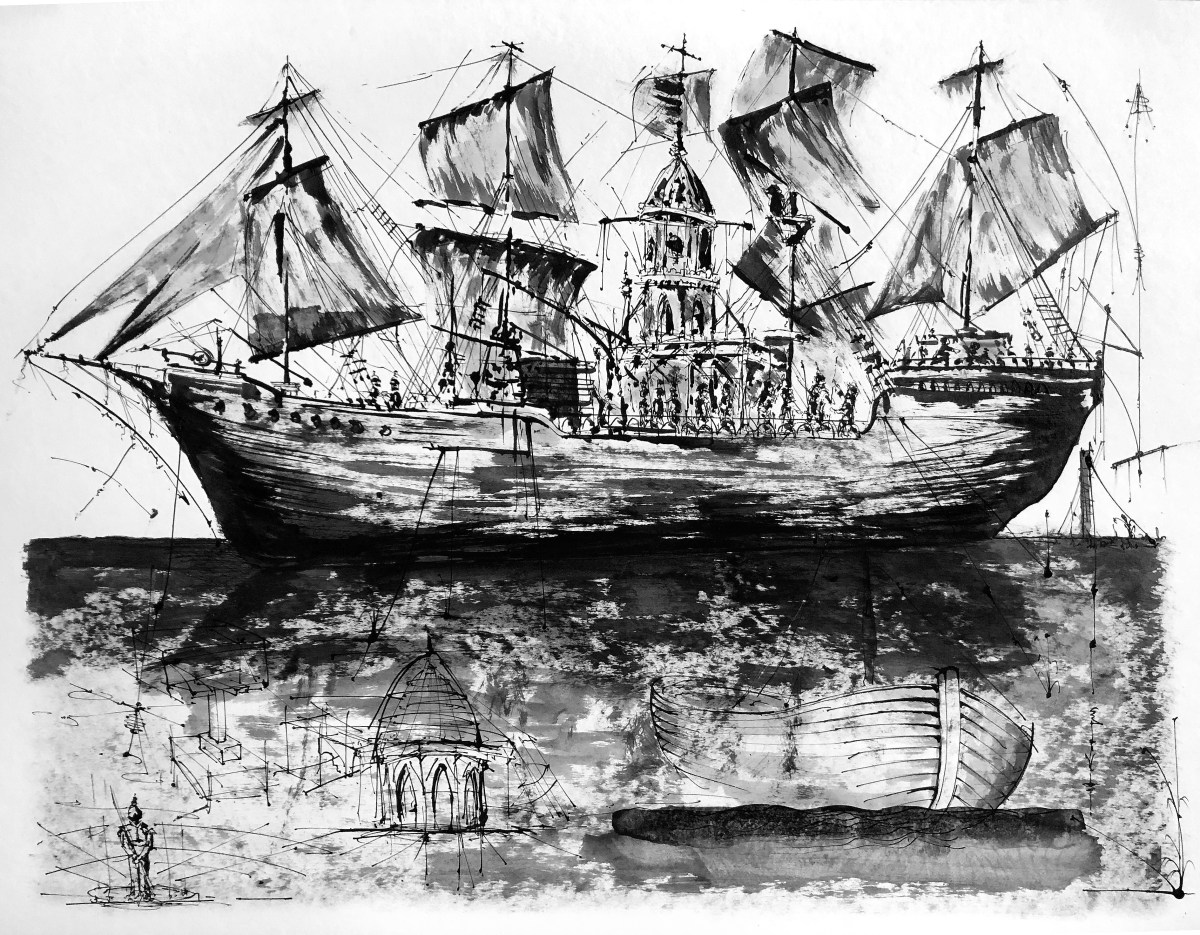
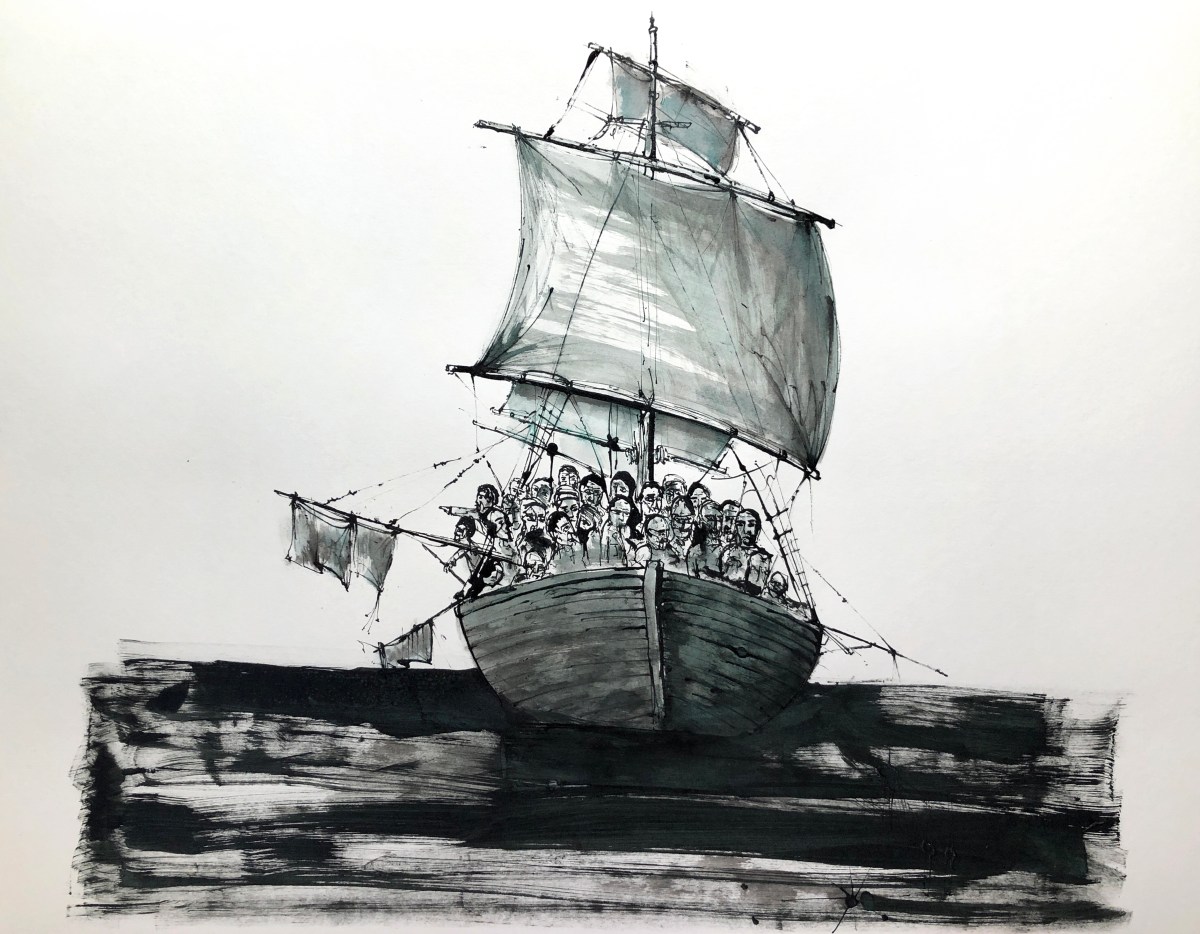
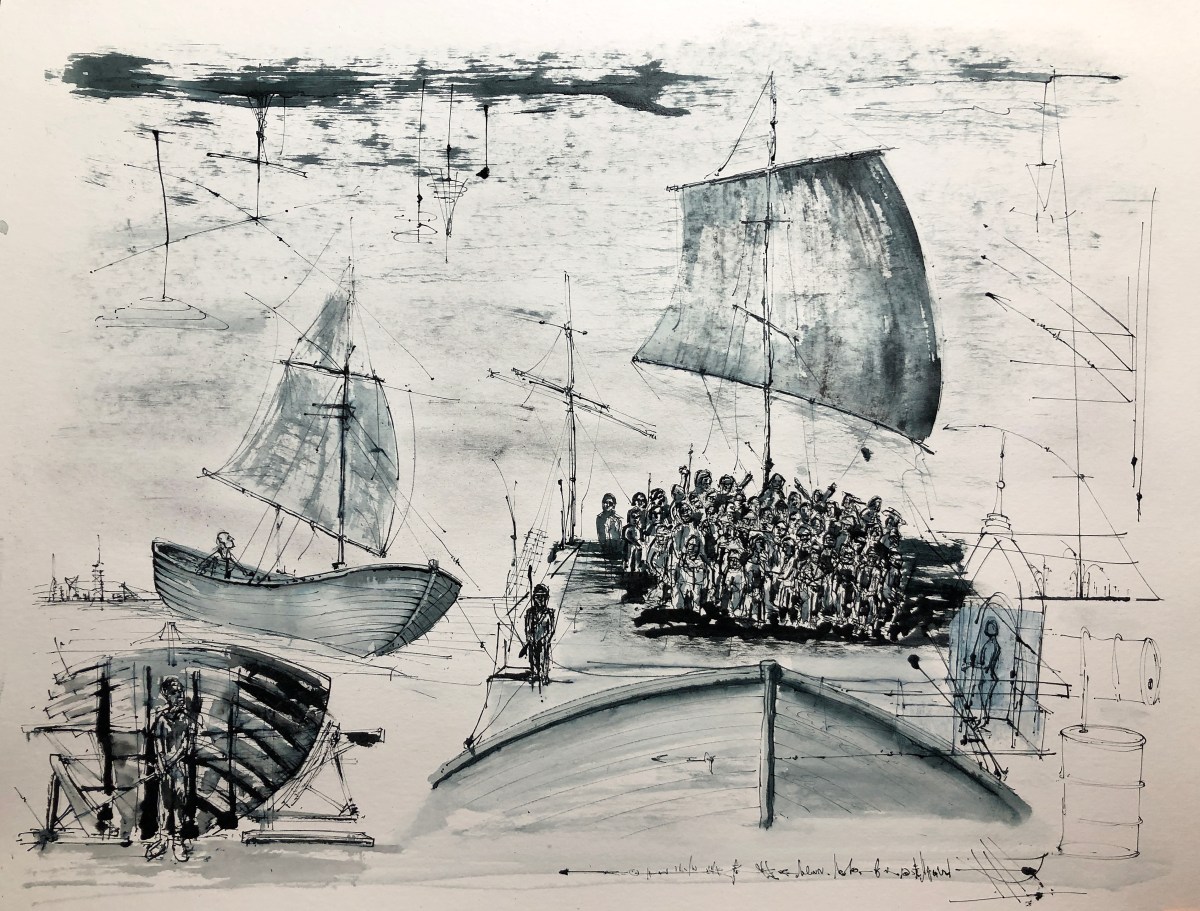
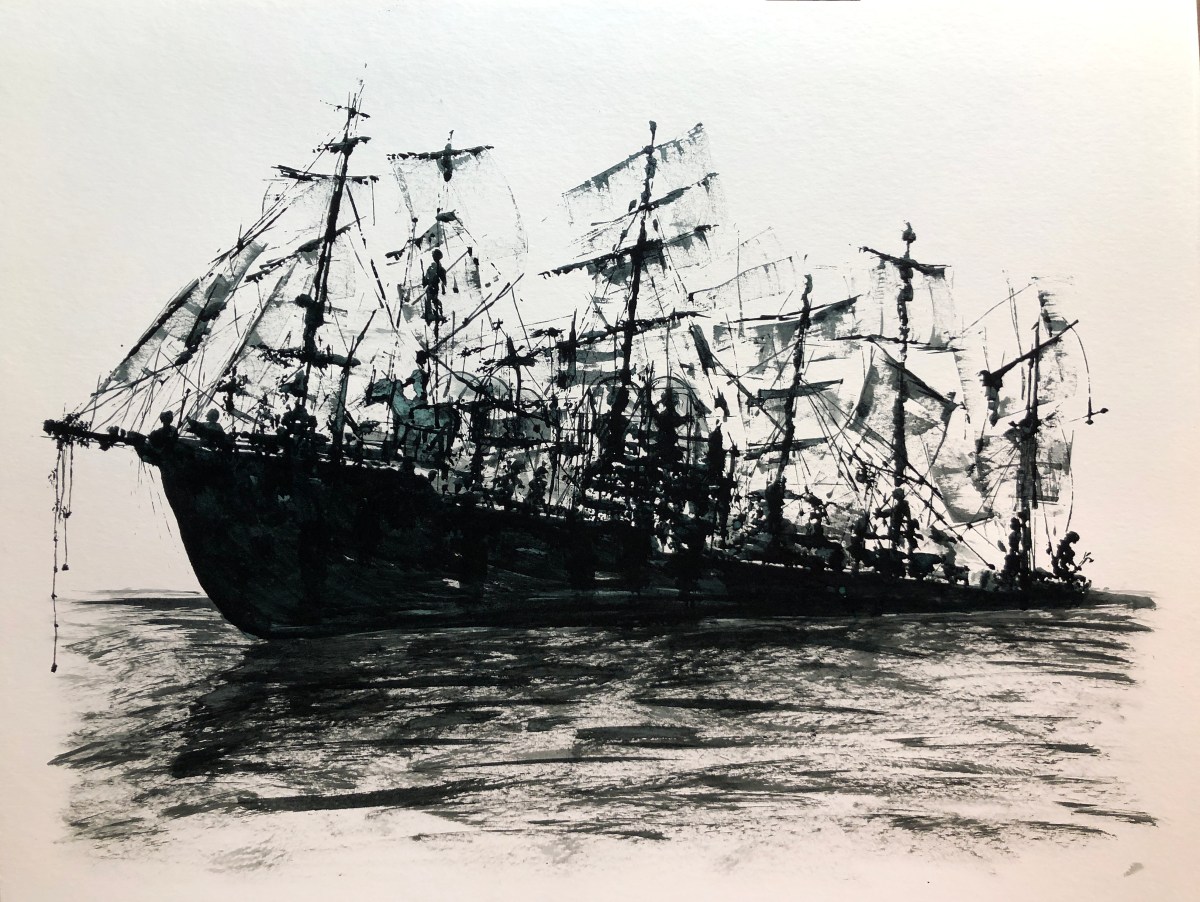
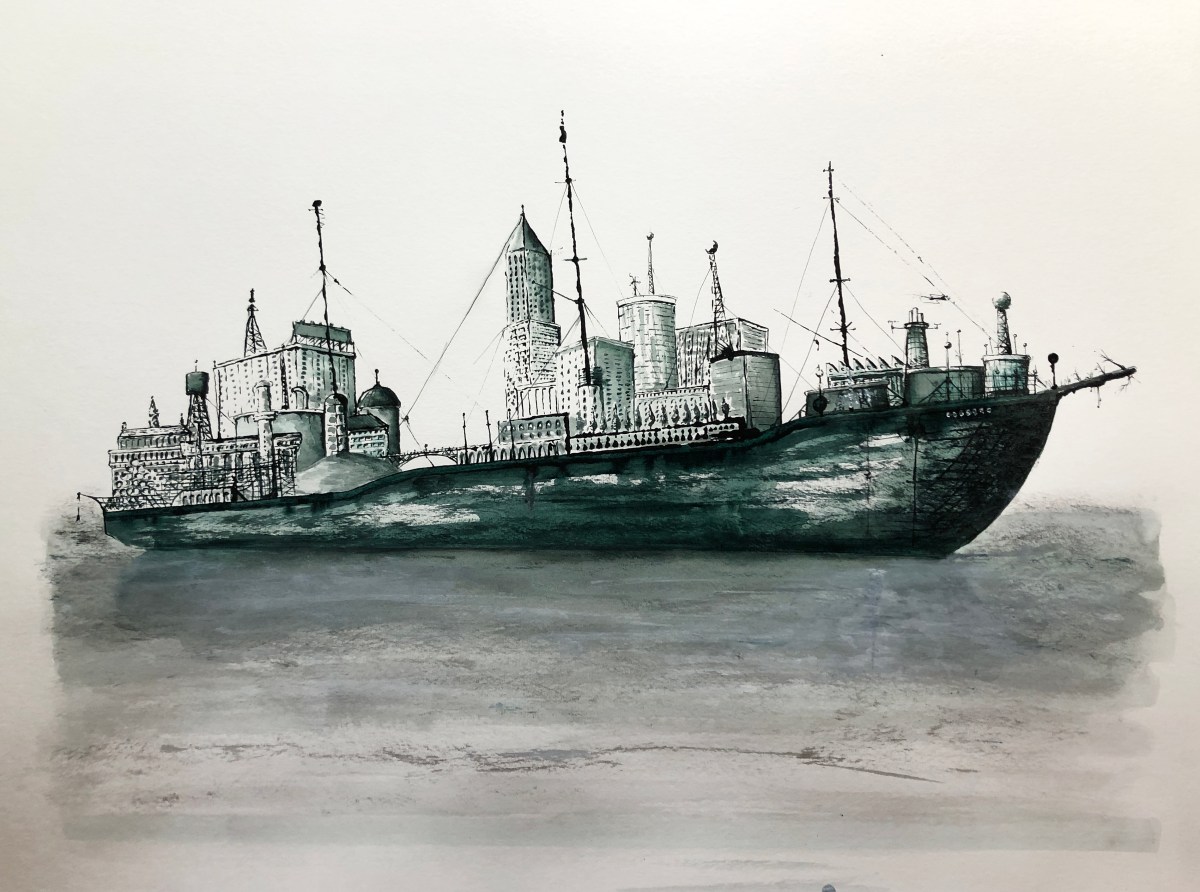
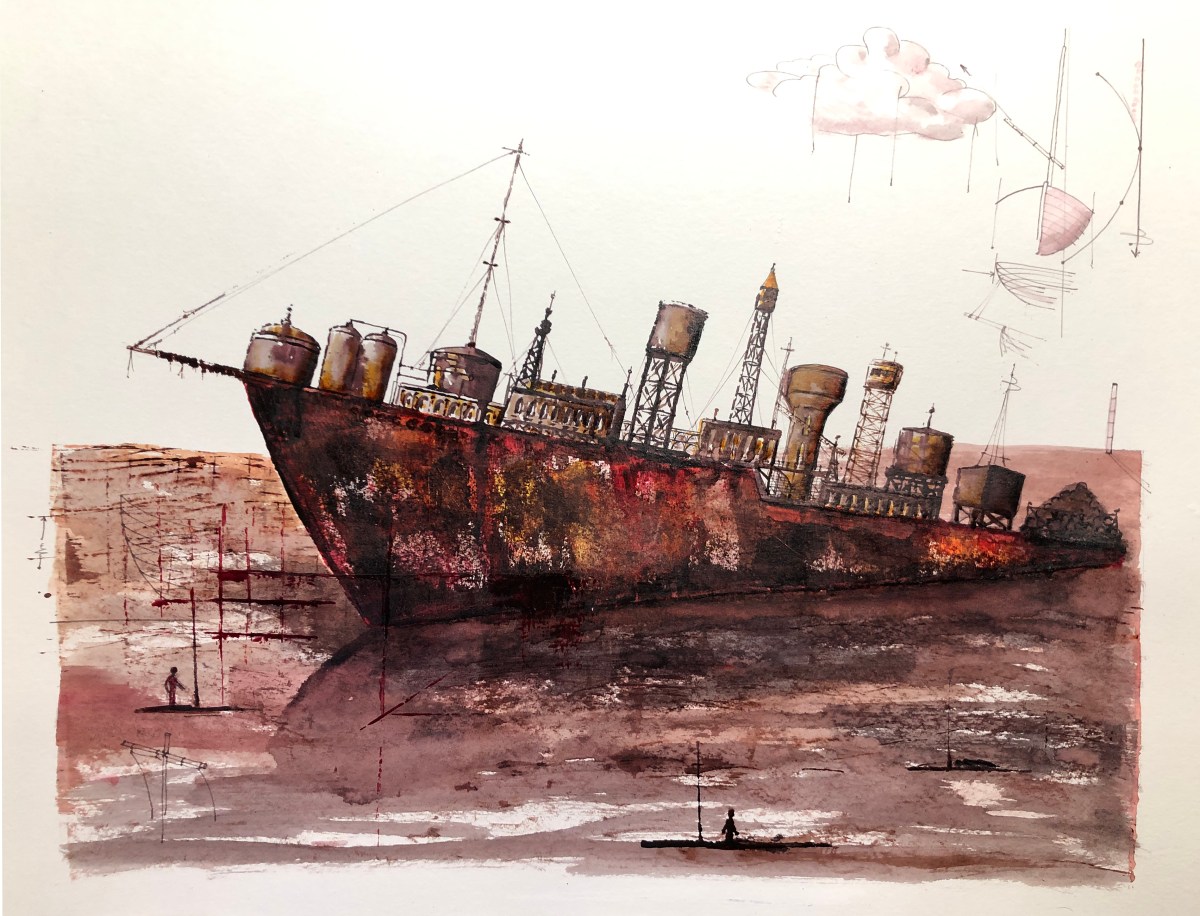
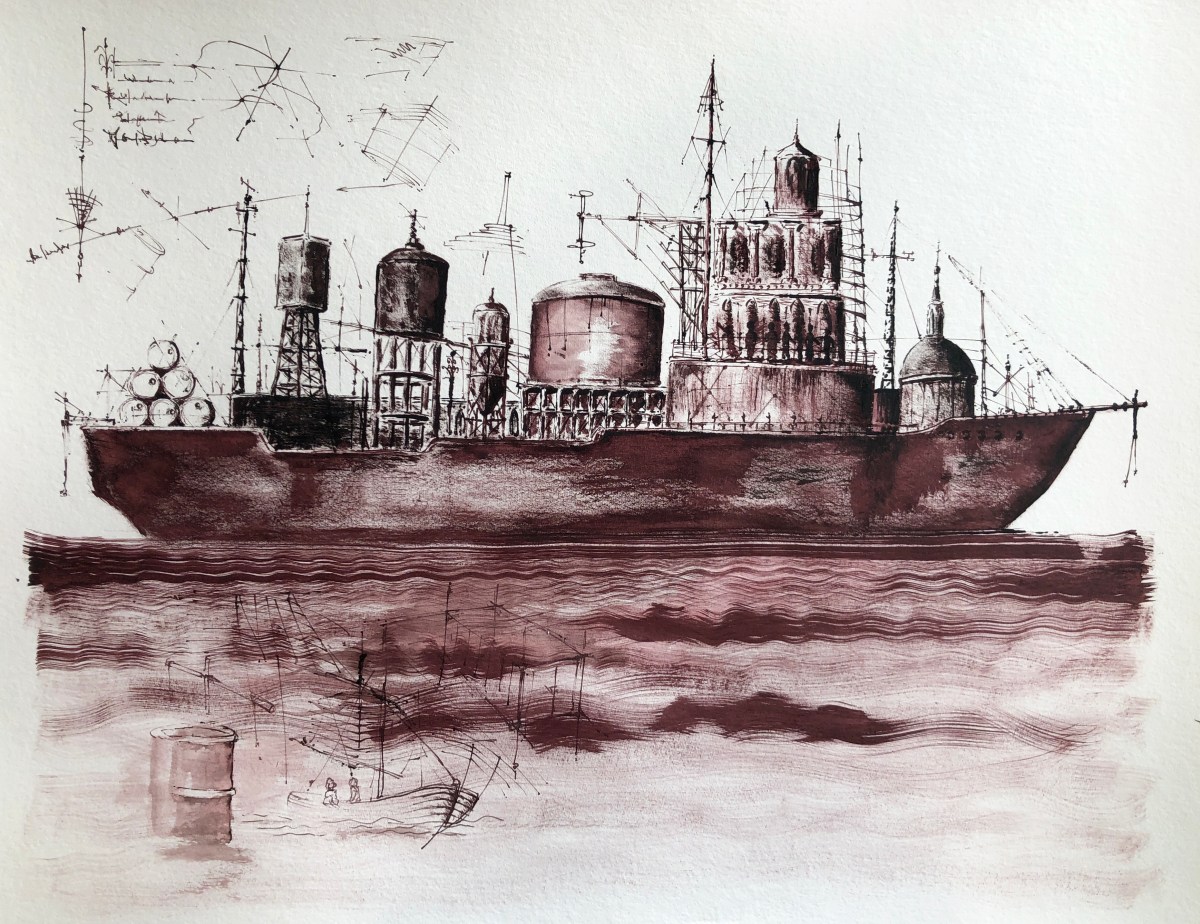
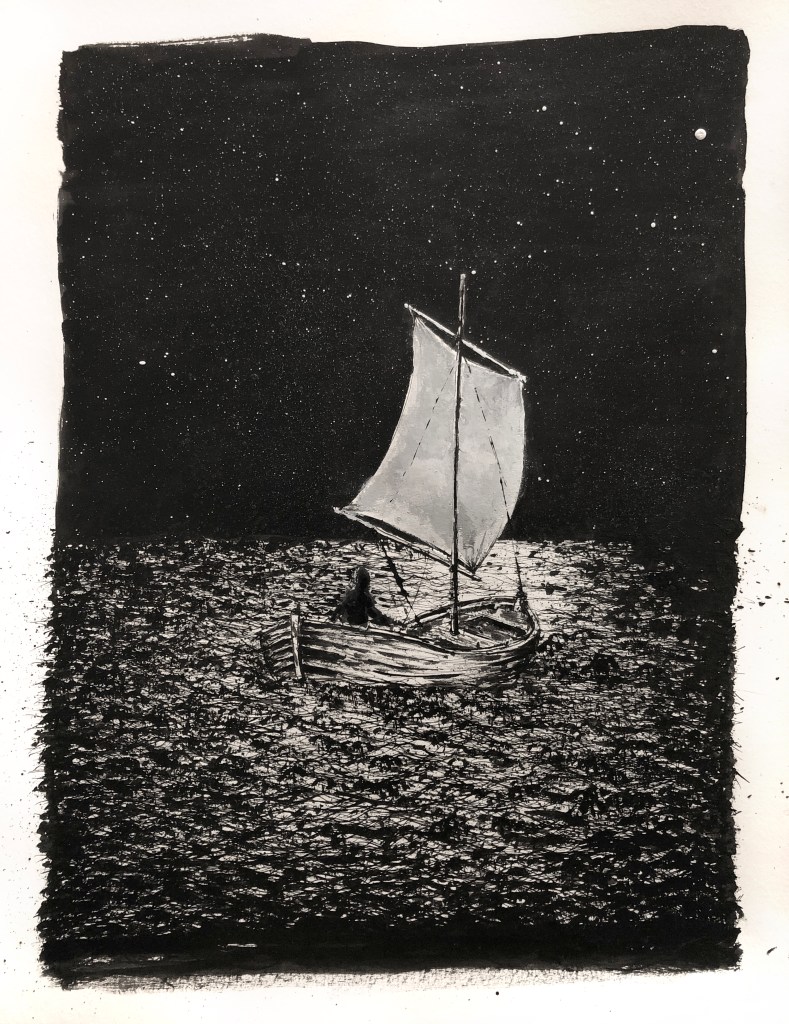
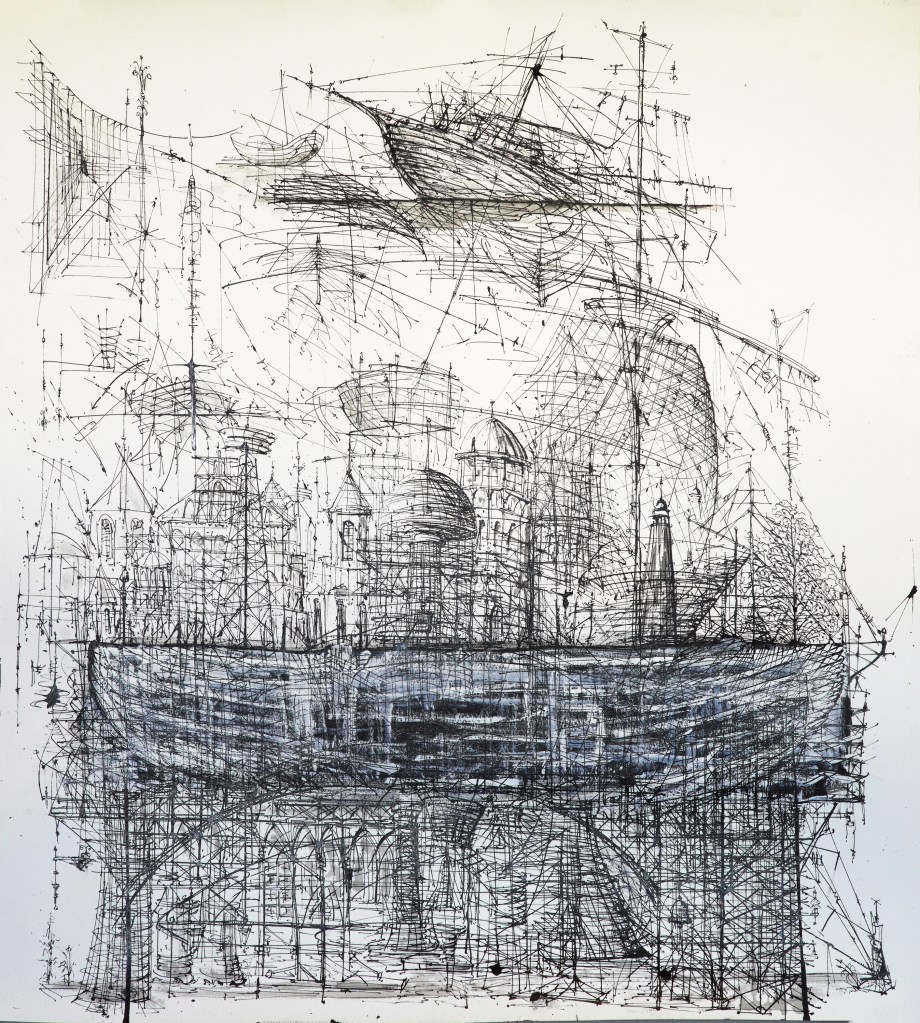
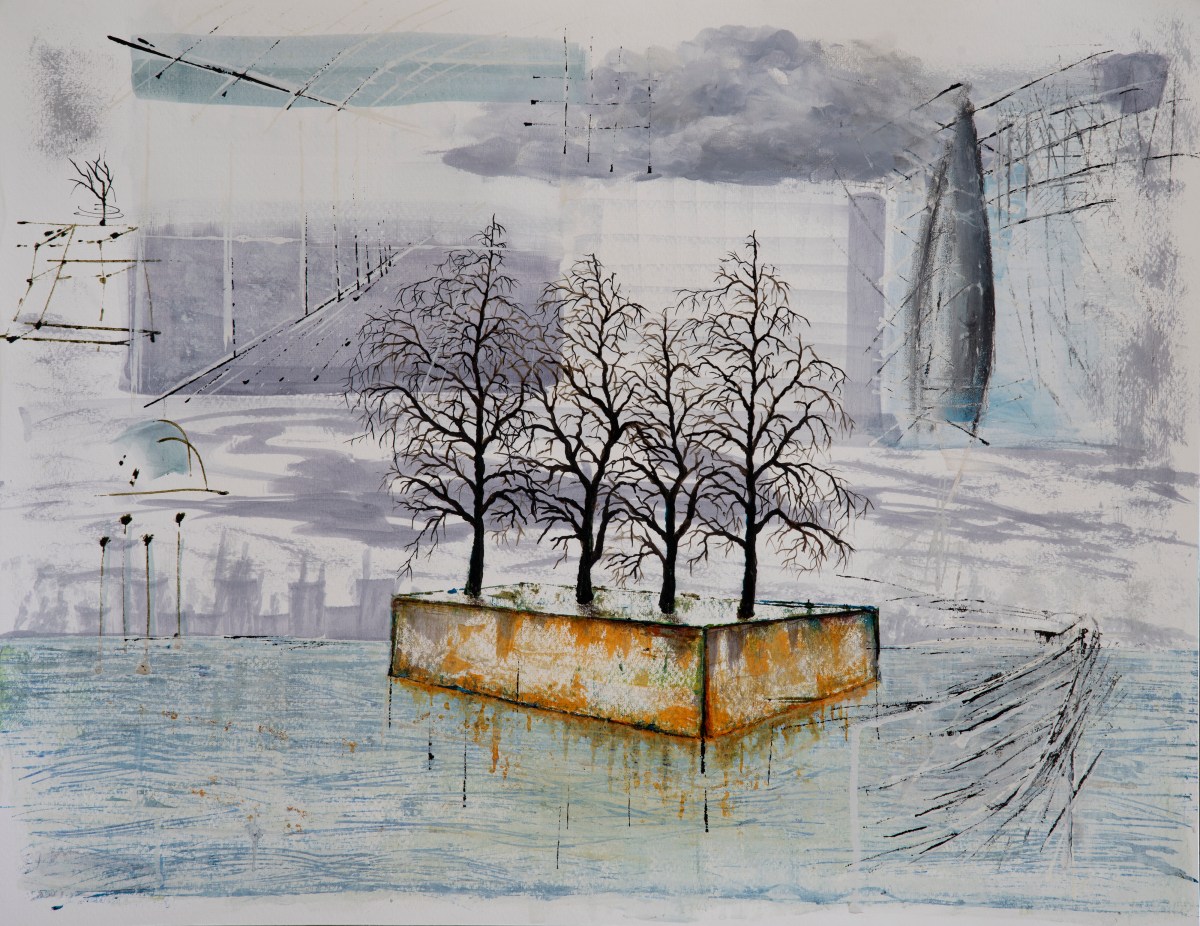
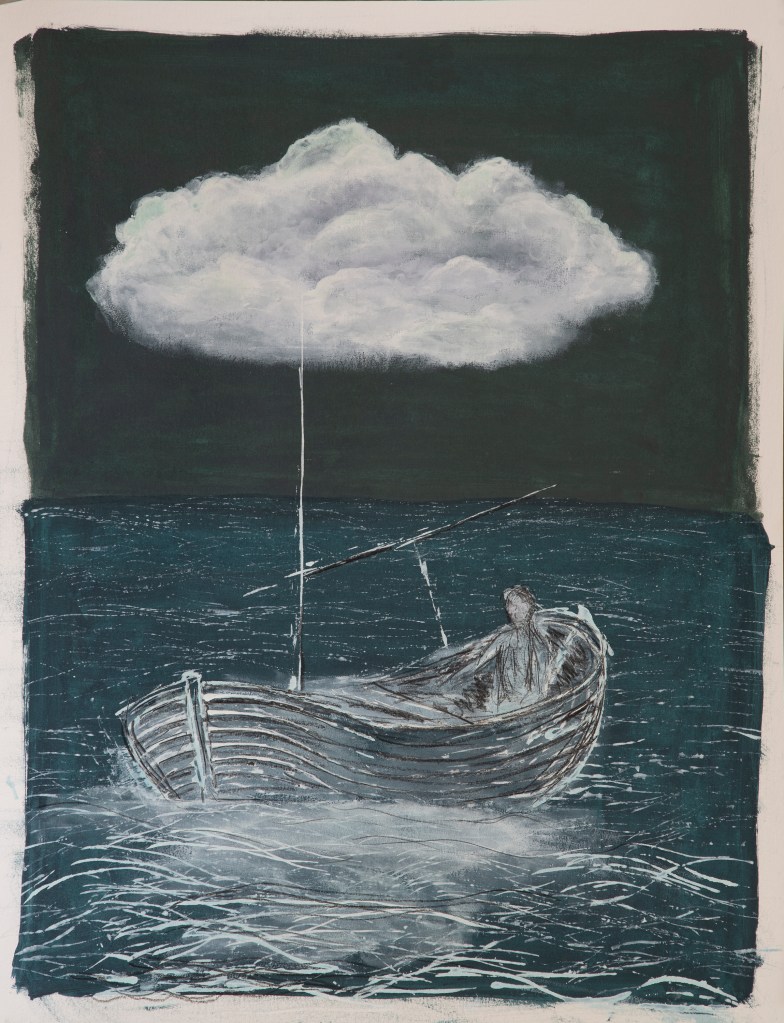
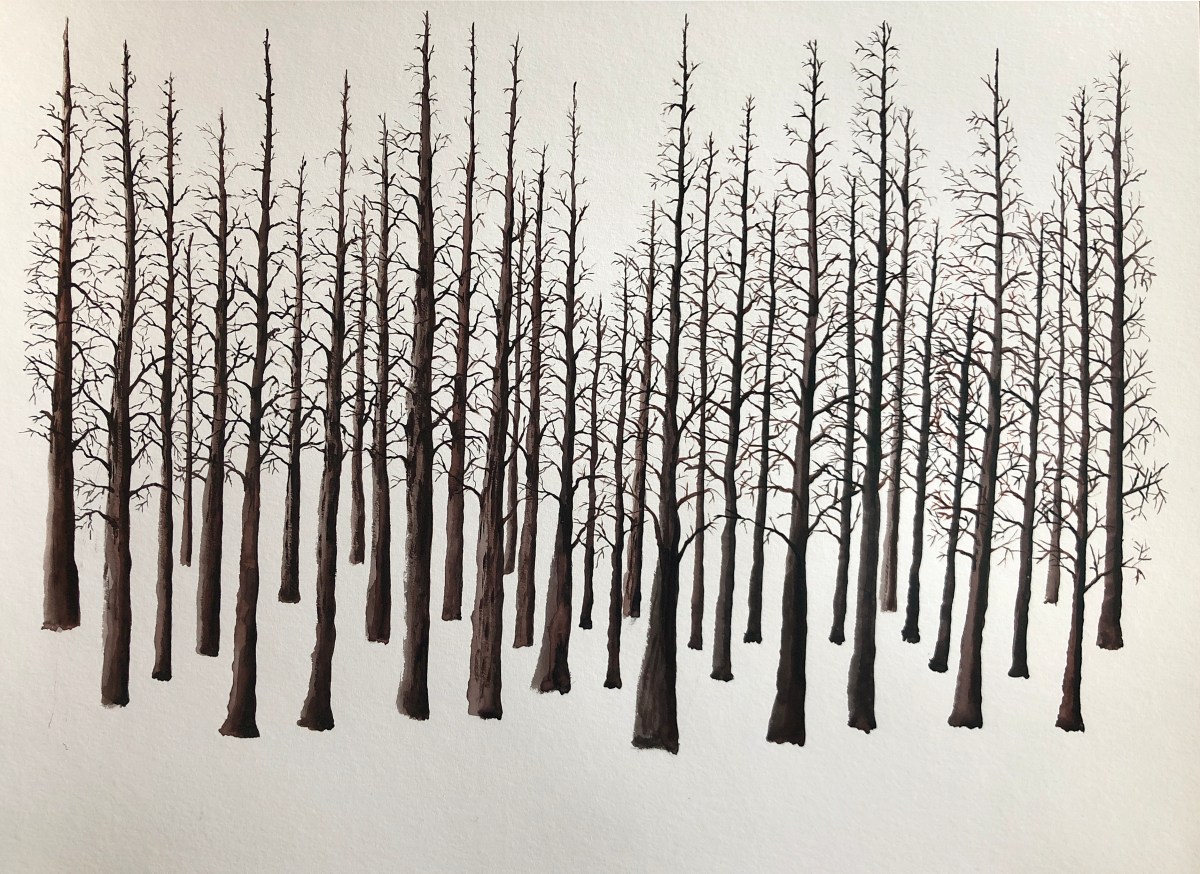
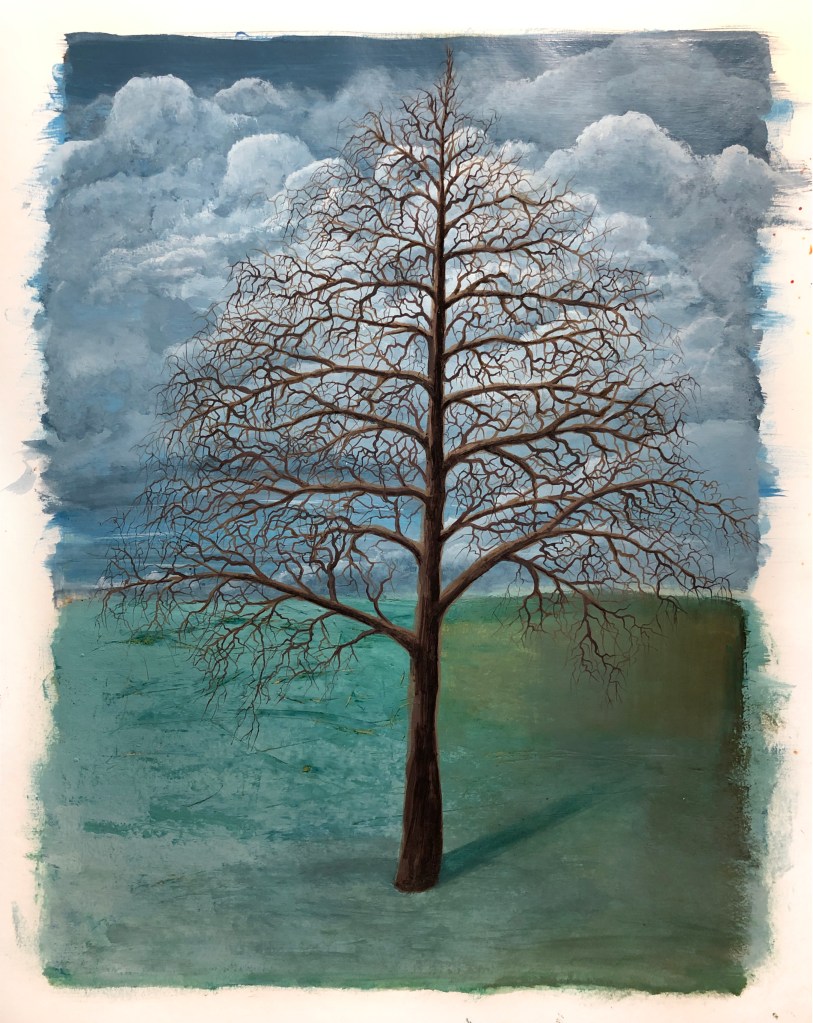
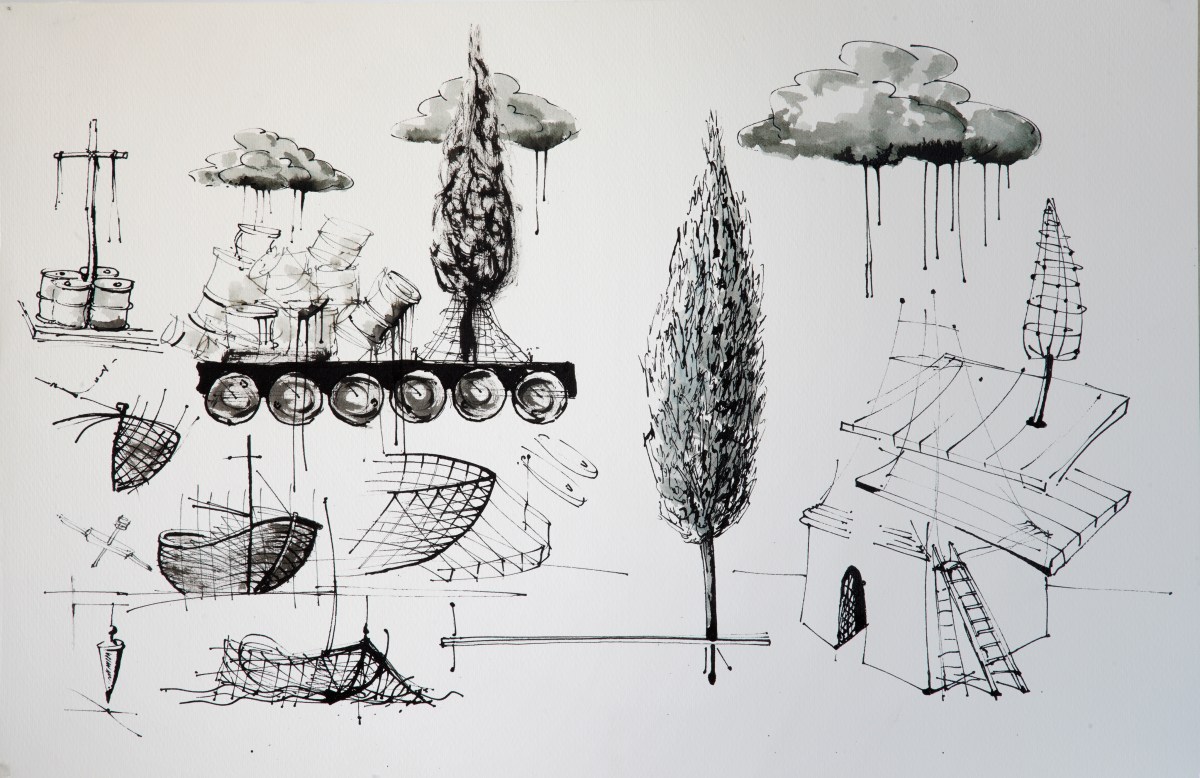
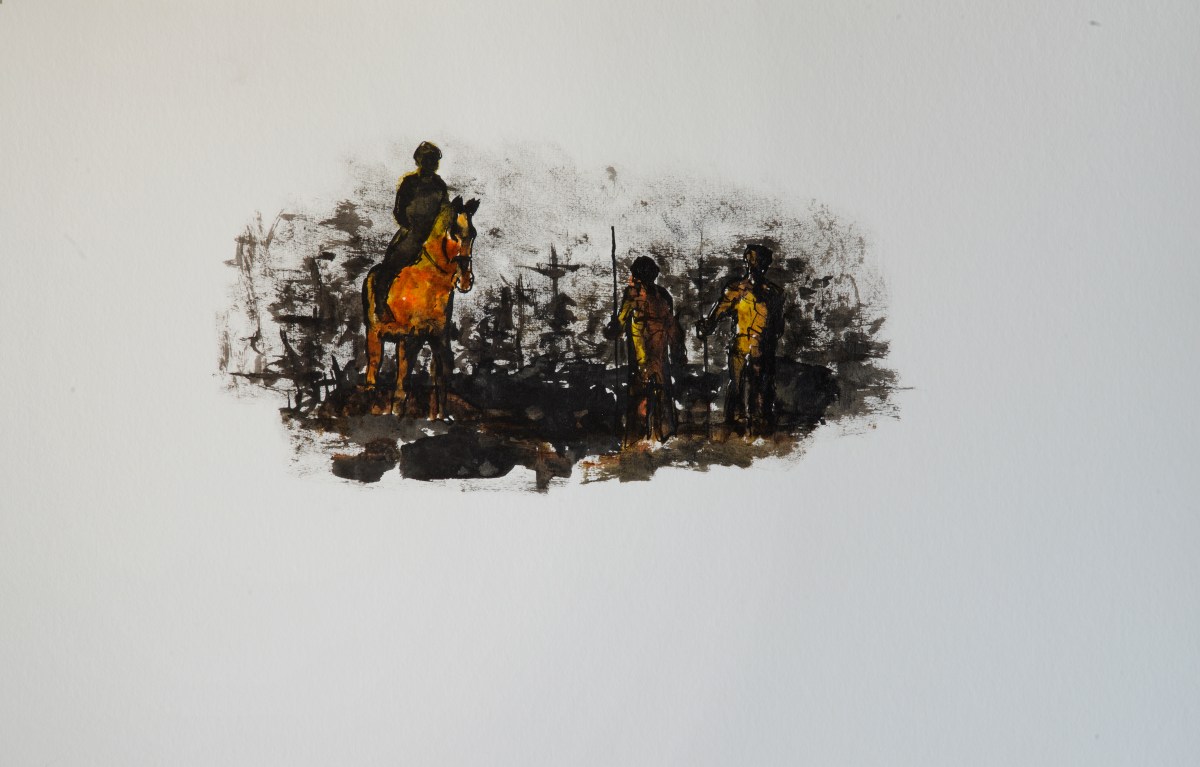
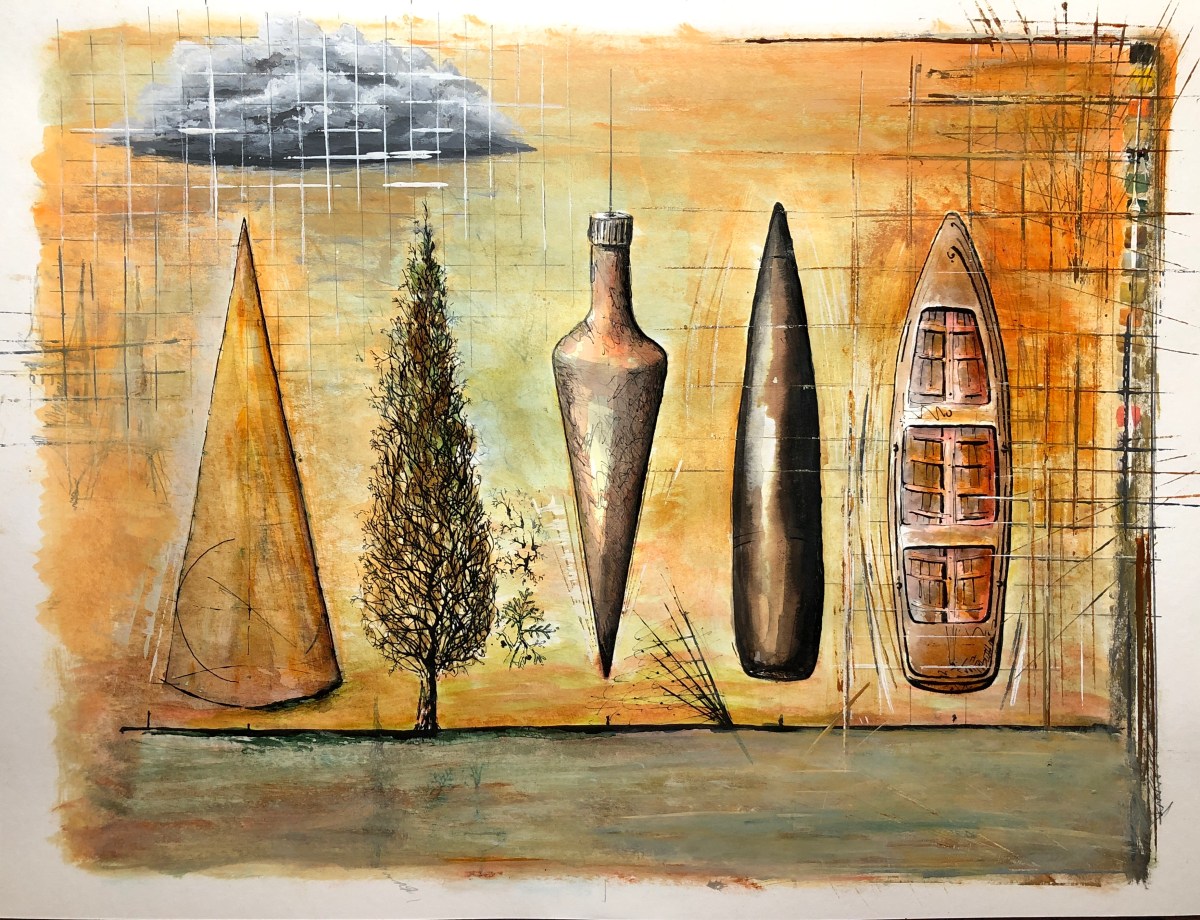
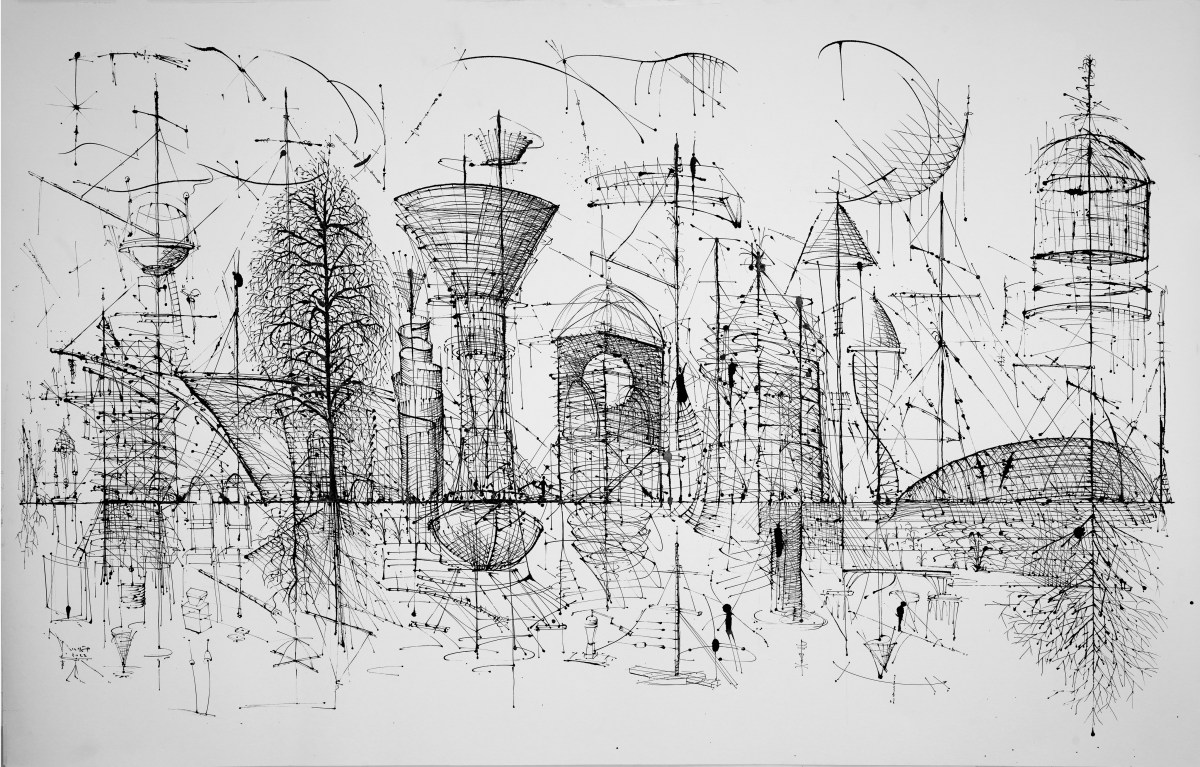
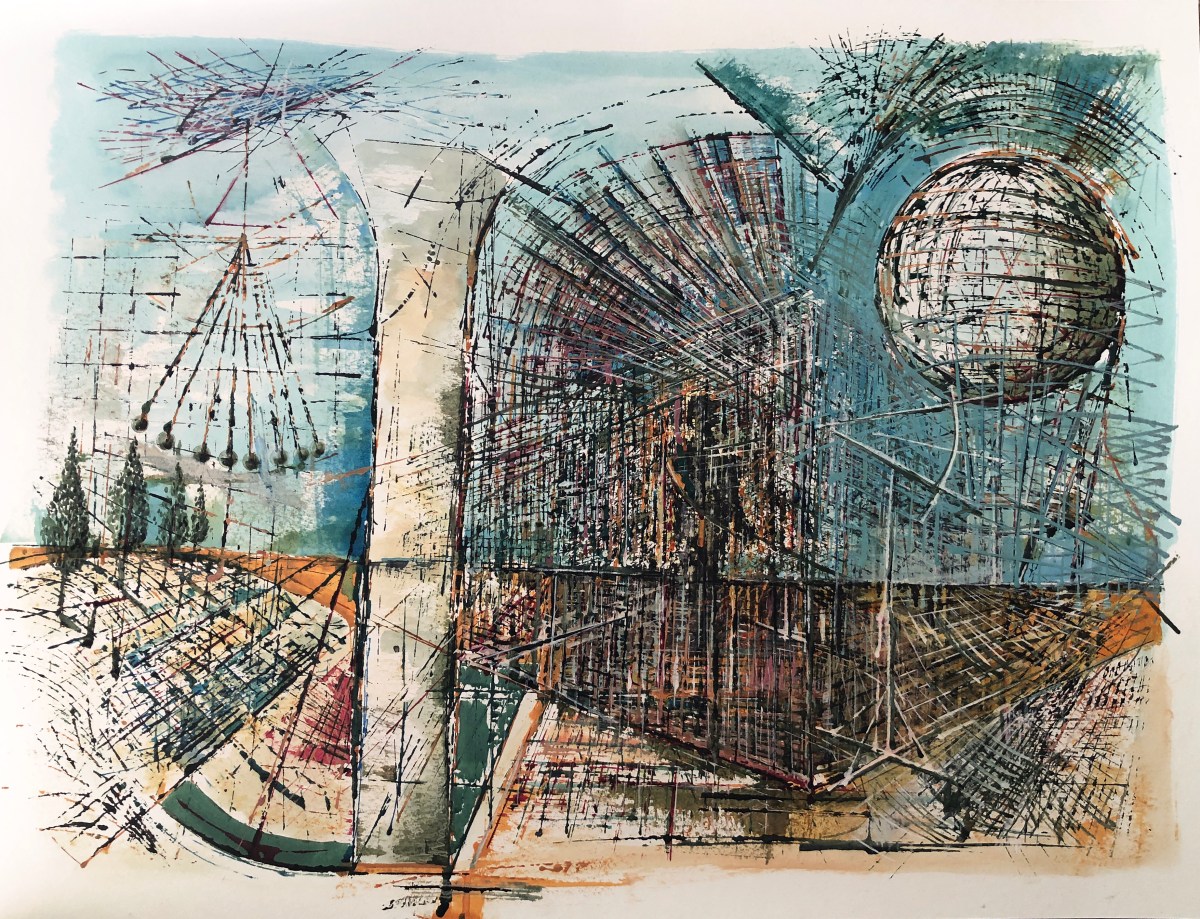
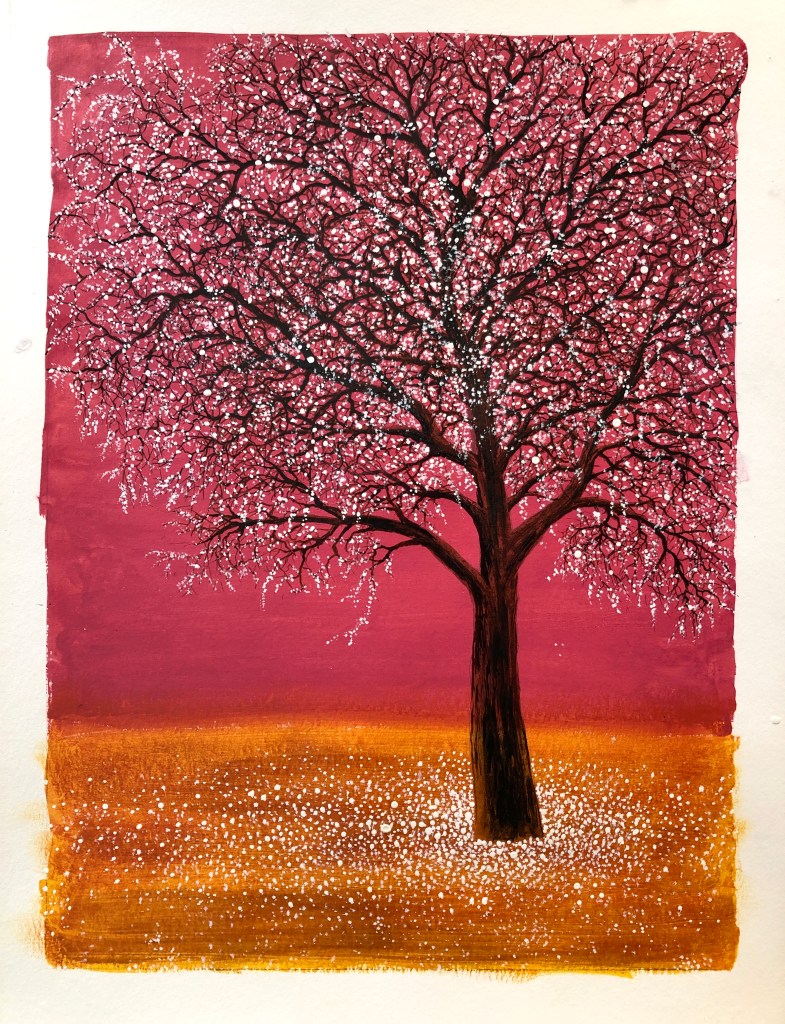
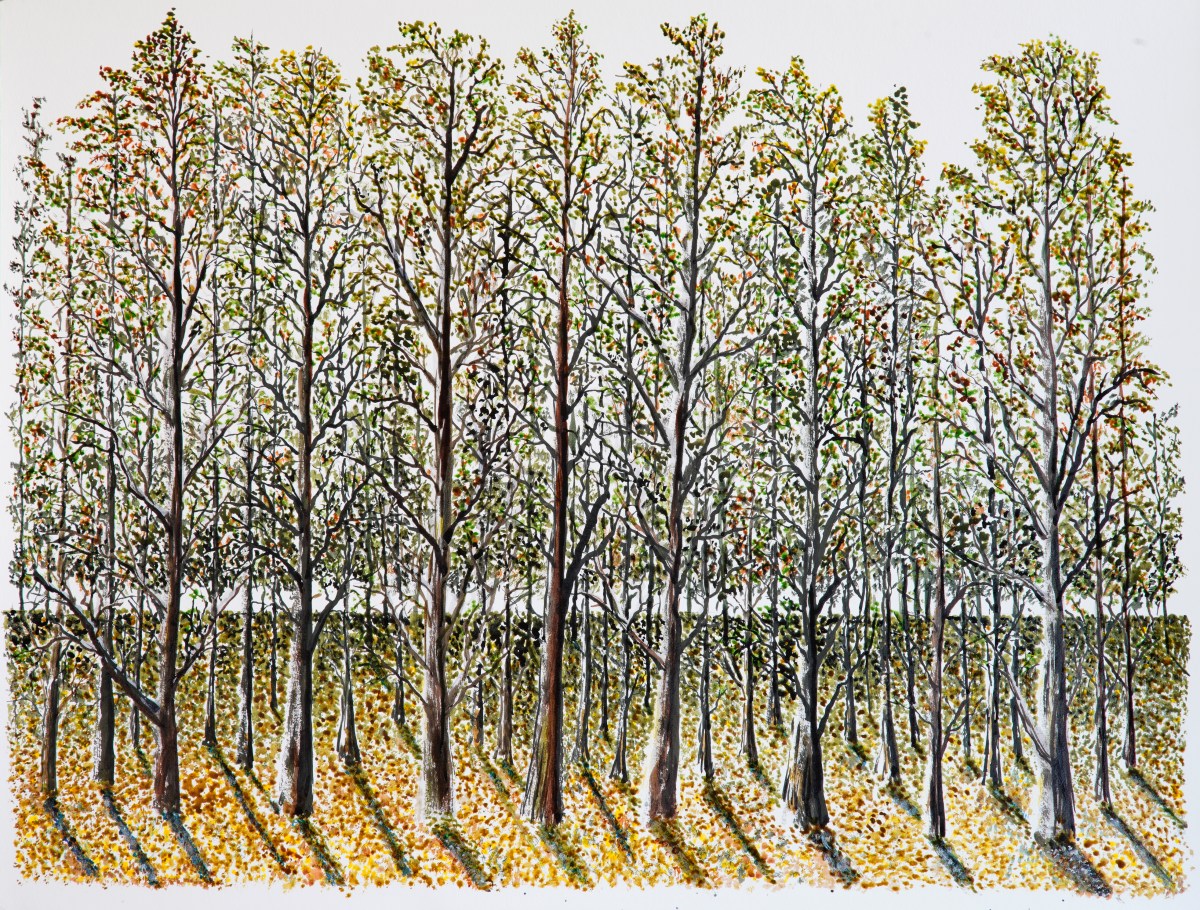
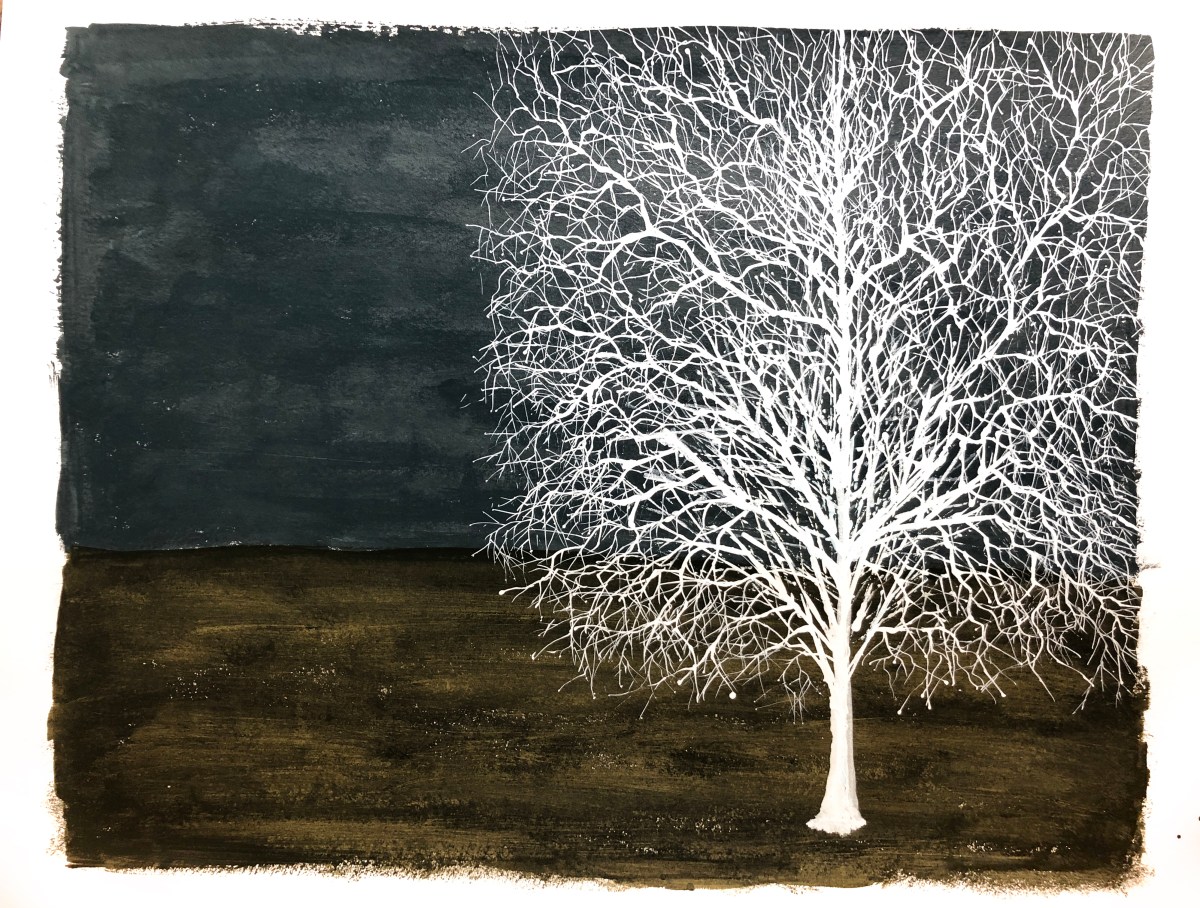
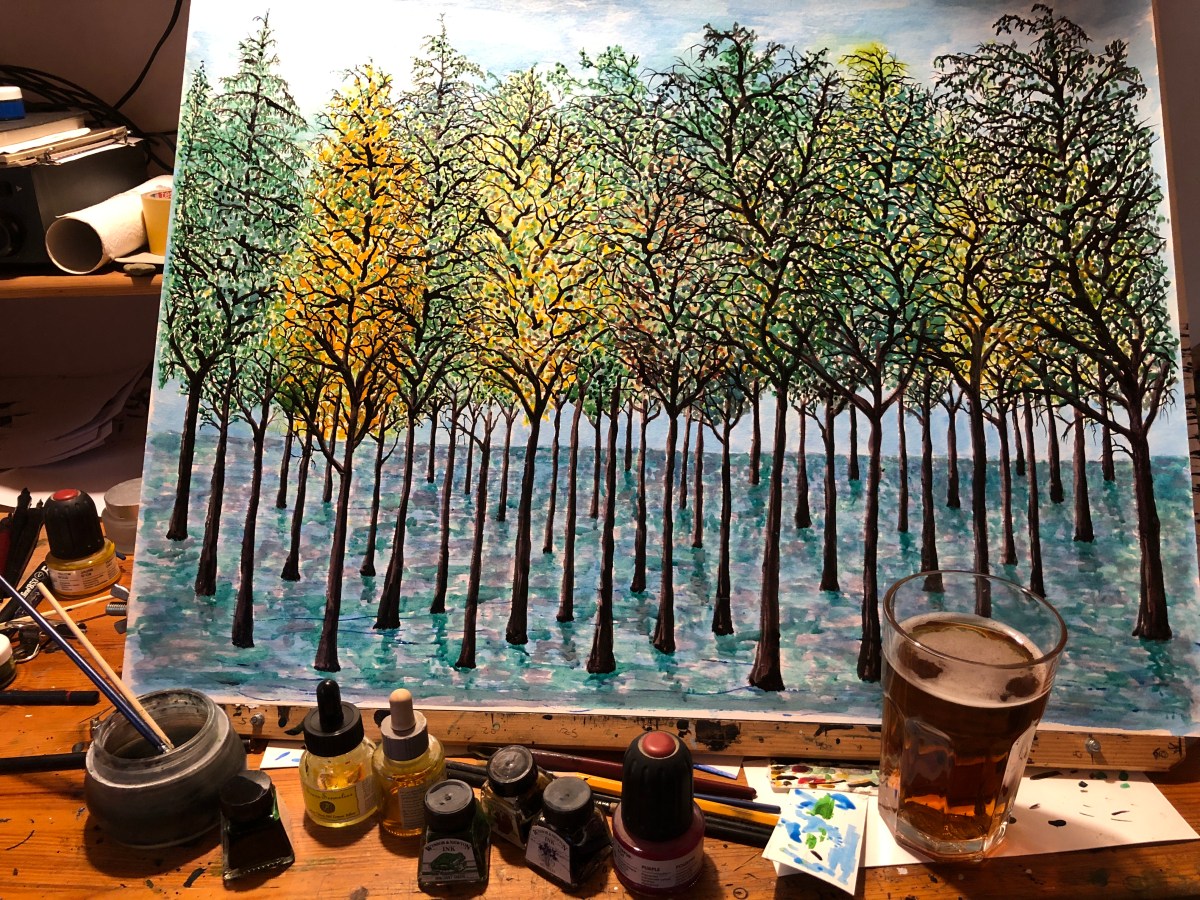
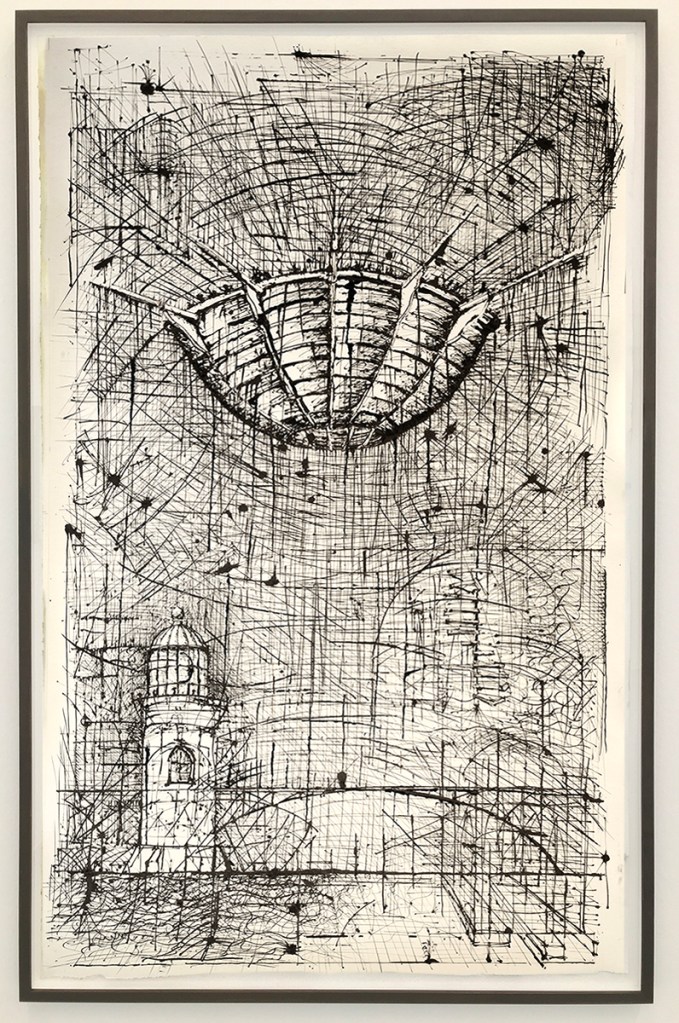
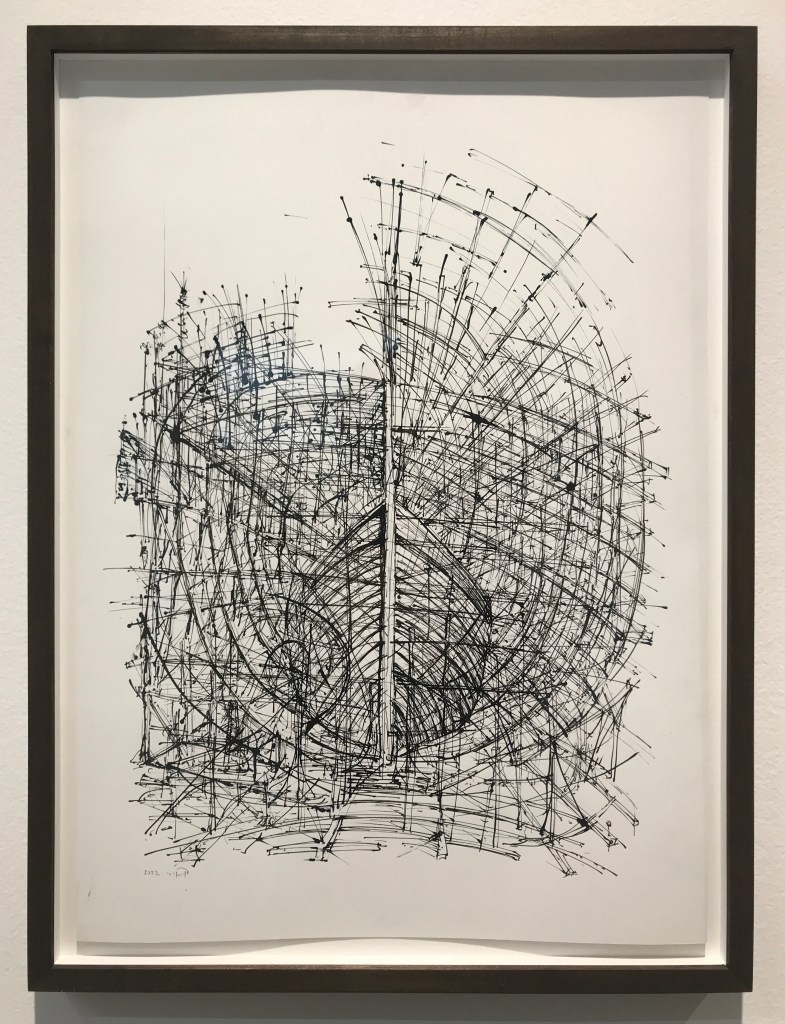
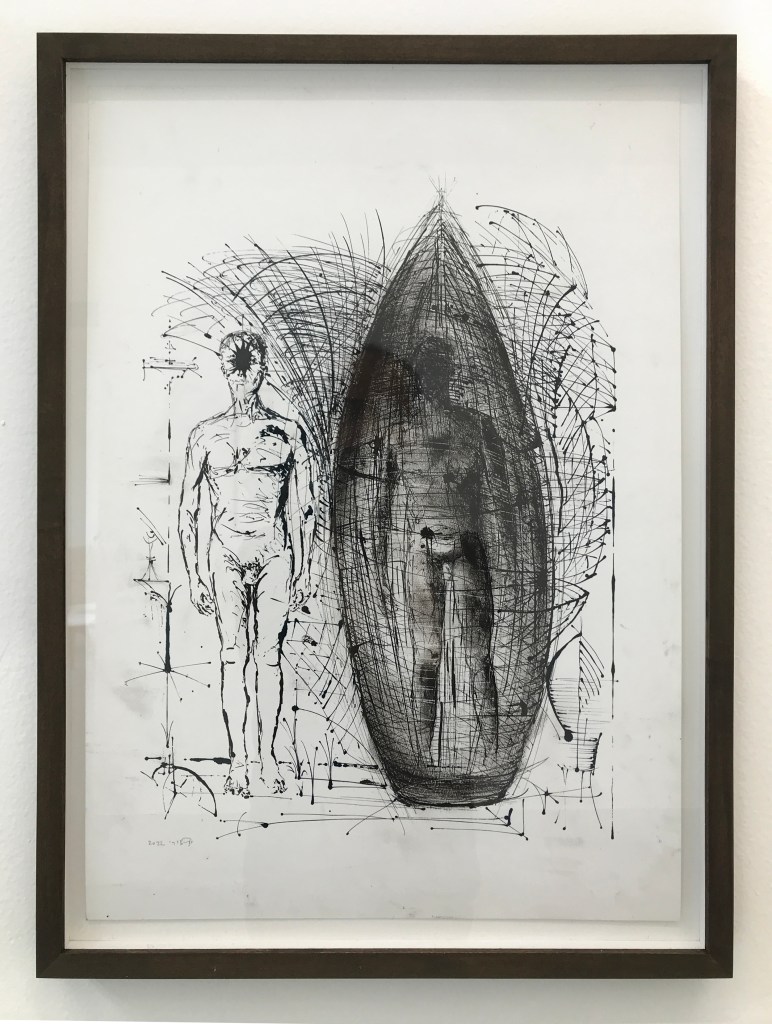
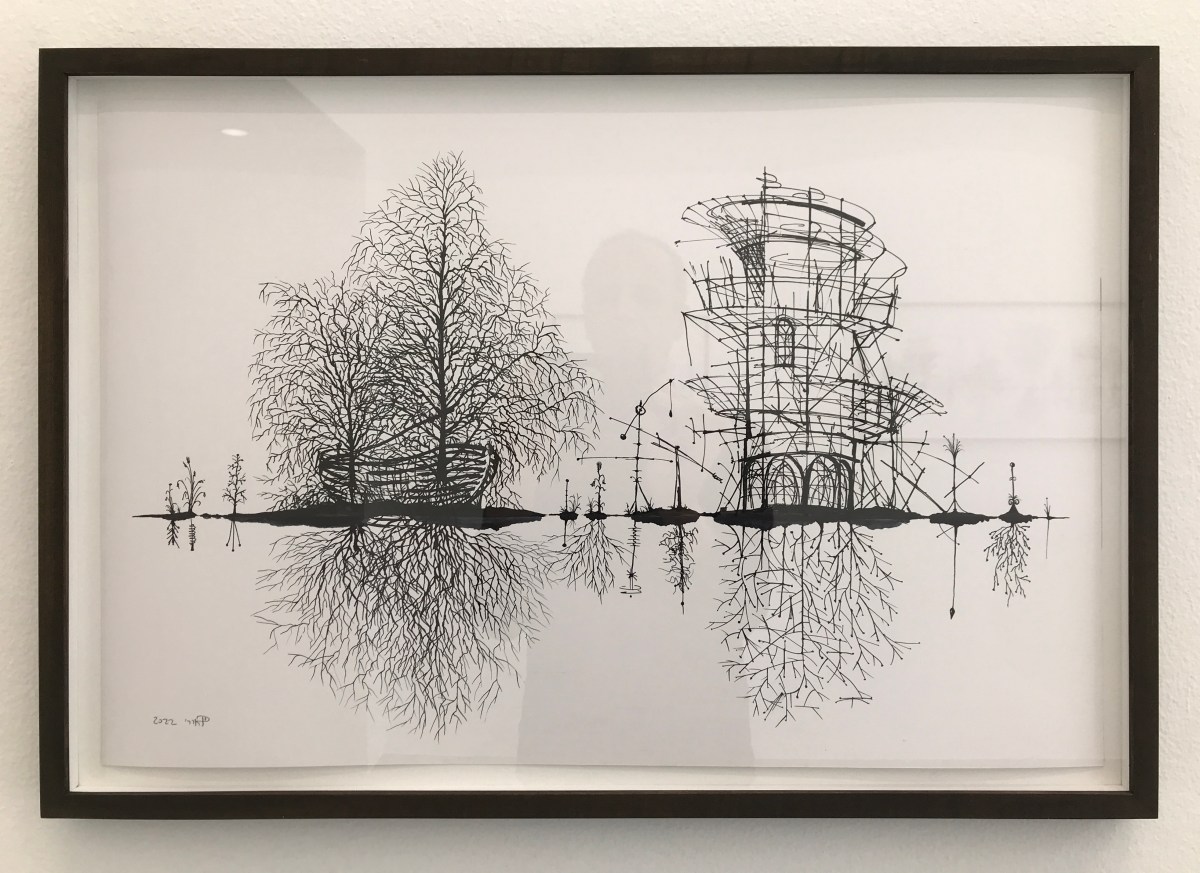
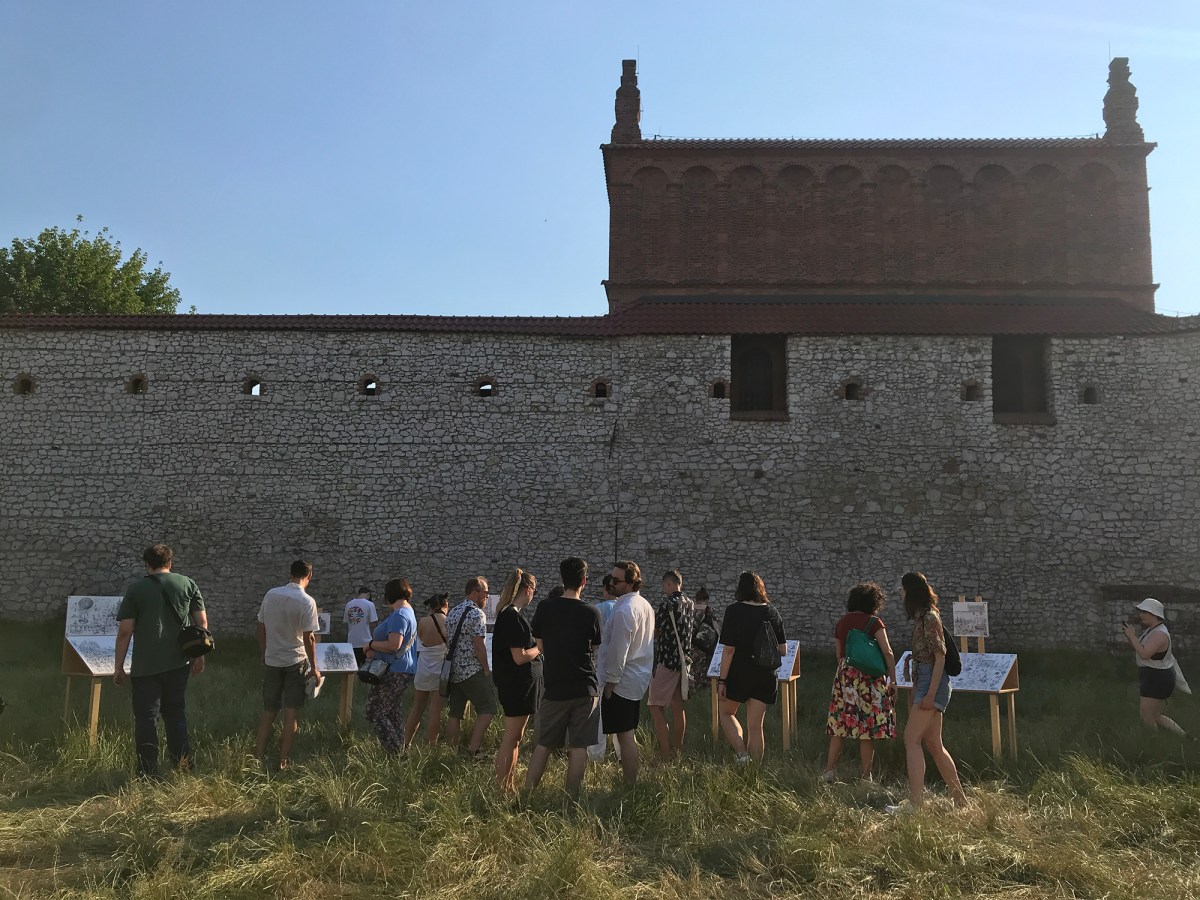
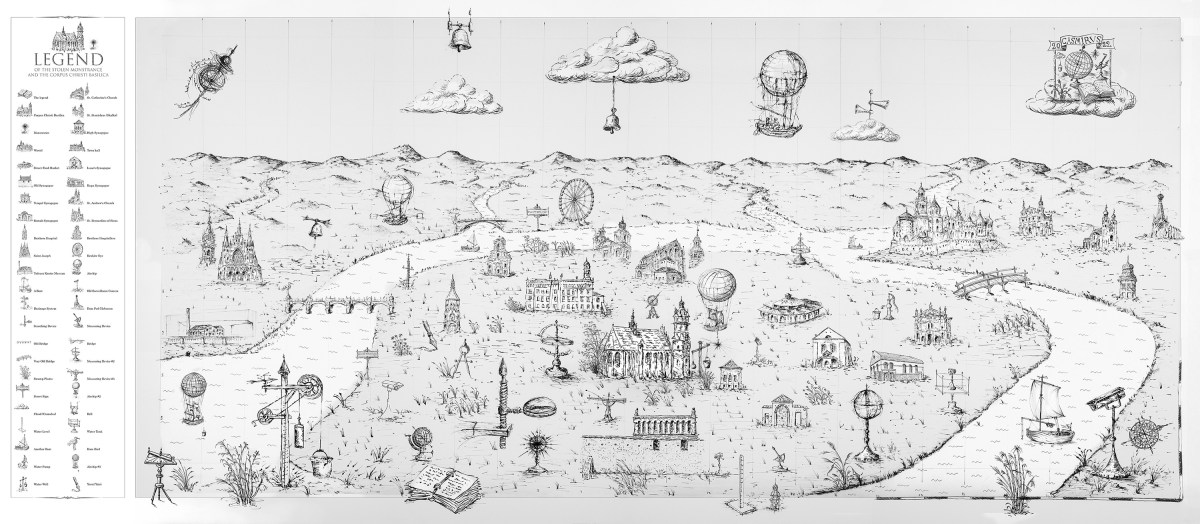
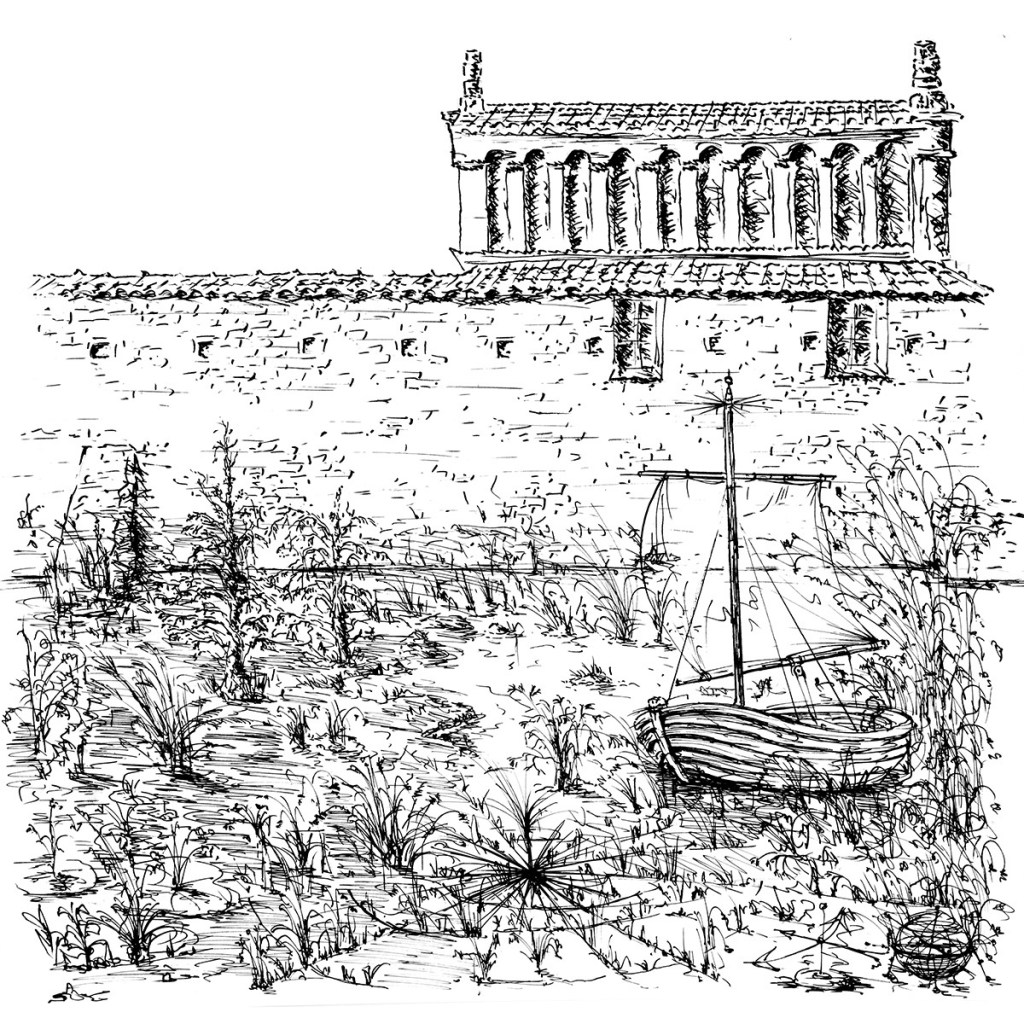
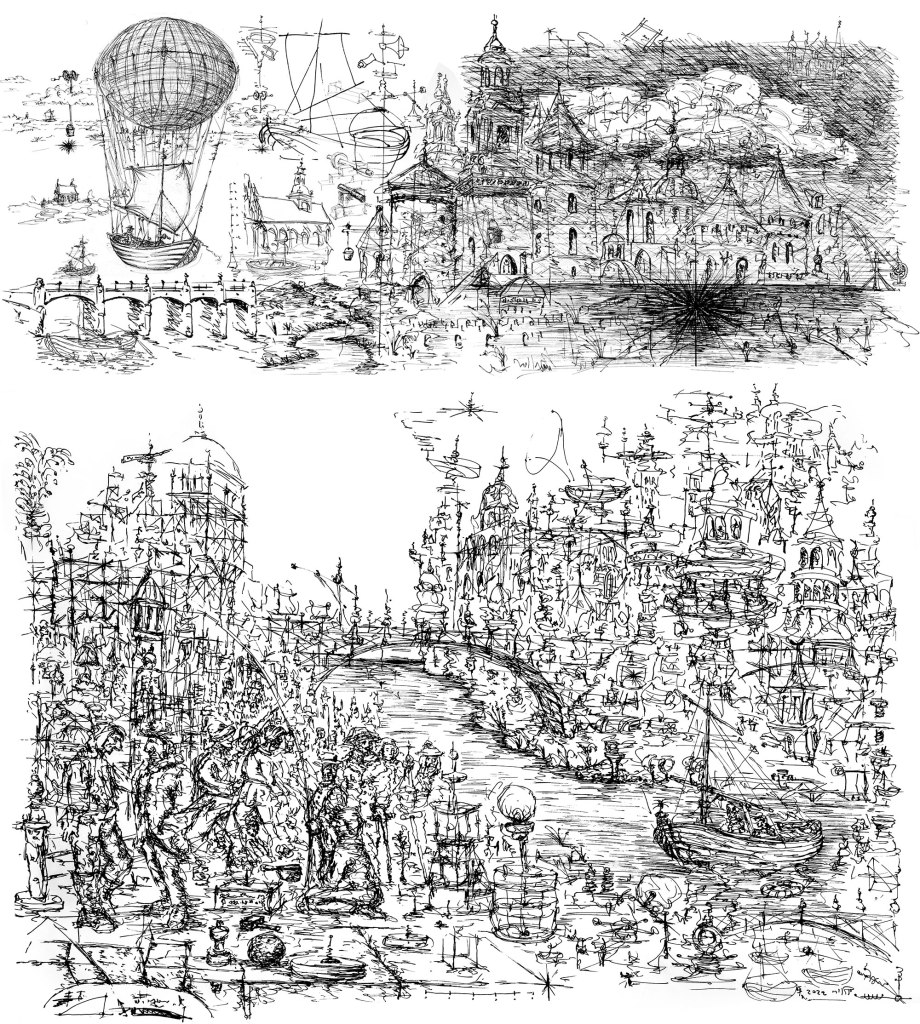
Yuval works in the fields of photography, video and drawing. His works deal with place and space from a biographic as well as historic and political perspective.
Each one of the two have their own space in the studio: a clear border between their practices. As well as separate working hours: Noa works during the day, while Yuval works in the evenings. Two parallel tracks, moving closely to each other, yet never converge.
From the secure and familiar space of their shared life, the couple decided to bring their personal relationship into the artistic one. For the first time, they chose to work towards this exhibition together. Not merely by showing their works side by side, but to truly create together, to intertwine with one another within the works, to blend media and techniques, to learn, to yield, and to listen to one another.
Through this process, formed a new body of work in which personal and social relationships, family, history, art, politics, and everyday life are interwoven.
Alongside the collaborative works, individual pieces are also presented – some new and some older. Together, they create a layered space of artistic gestures and meanings that holds love, despair, confusion, and also a small measure of hope.
Noa Arad-Yairi and Yuval Yairi are also a part of the core group of artists who established HaMiffal. Their practice is rooted in the history of this location, that originated from partnership, from faith in the force of collaborative action, and out of the will to hold space for the intertwining of creation and life








































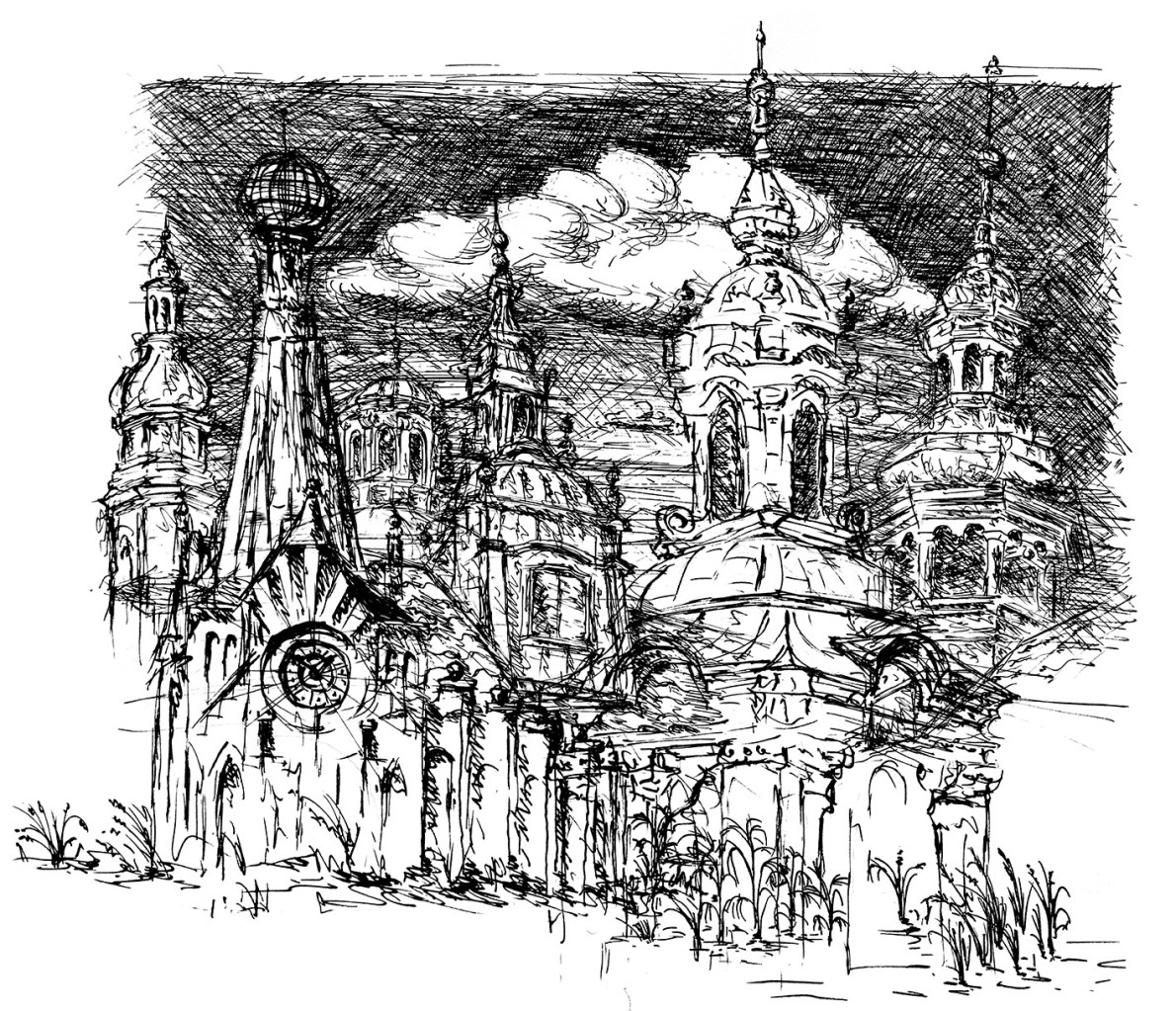


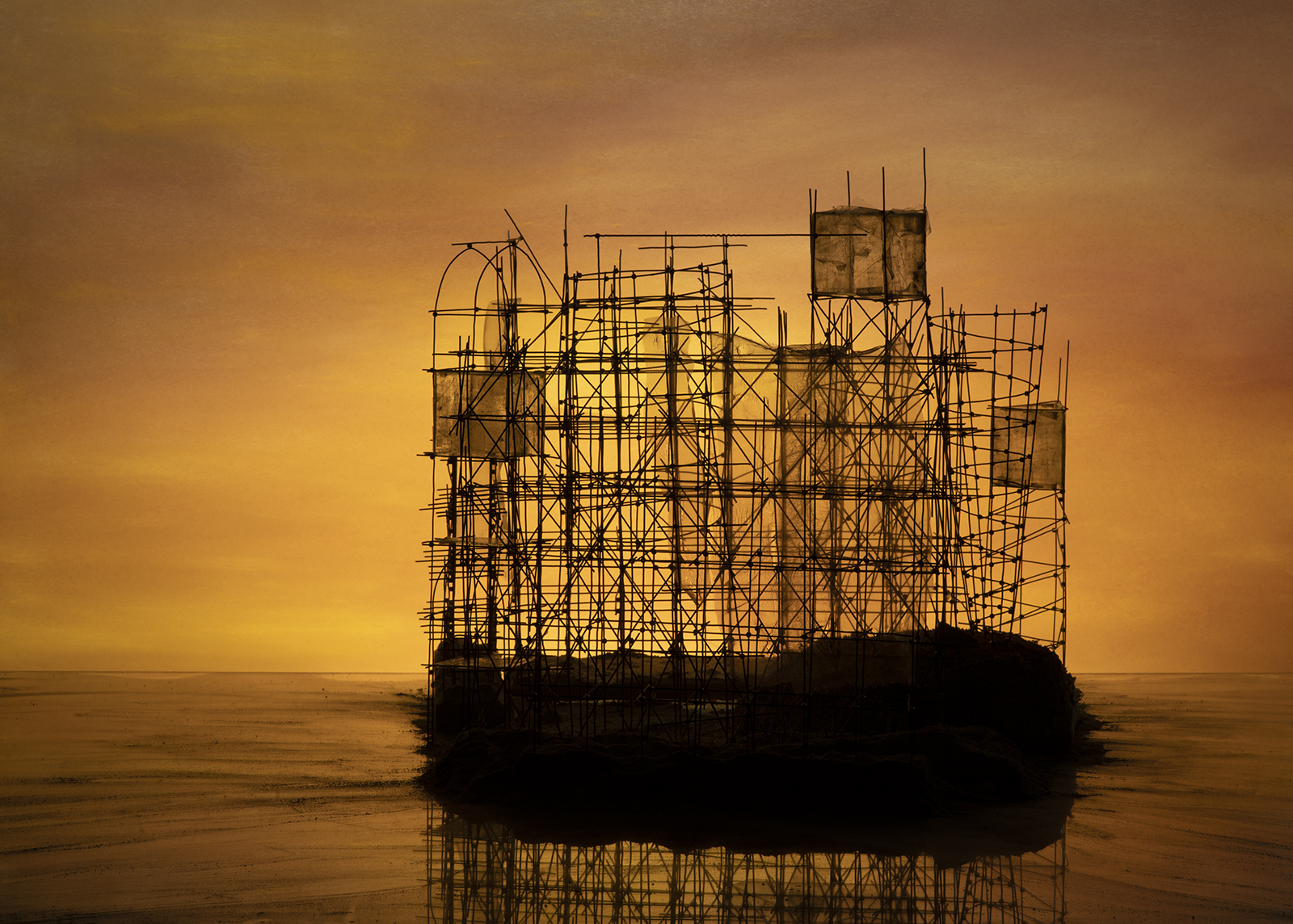

 Yuval Yairi יובל יאירי